

Window tinting is more than a cosmetic upgrade. Discover why automotive window film is essential for UV protection, heat rejection, safety, and energy efficiency. A must-have for every car owner!
What Is Car Window Tinting?
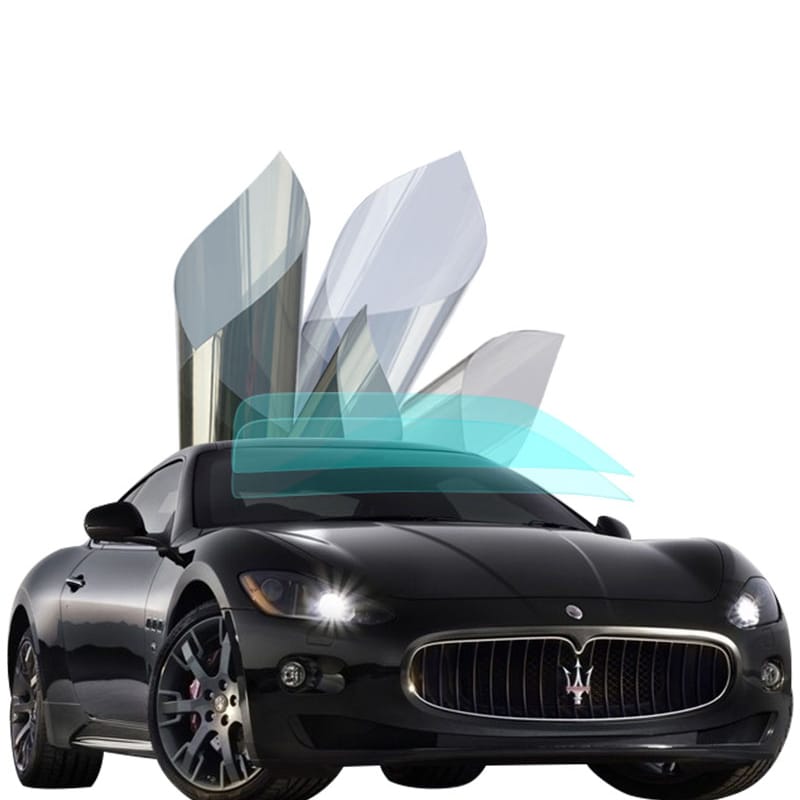
Car window tinting refers to applying a thin film to the interior surface of vehicle glass—including the front windshield, side windows, and rear window. These films come in various types and offer a wide range of benefits beyond aesthetics.
Common Types of Window Films
- Solar Control (Heat Rejection) Films
Designed to block infrared rays and reduce cabin heat. - Safety & Security Films
Reinforce glass to prevent shattering in accidents or break-ins. - Privacy or One-Way Films
Reduce visibility from the outside without compromising interior light.
7 Key Benefits of Car Window Tinting
1. Heat Rejection and Interior Cooling
High-performance films can lower cabin temperature by 5–10°C, especially in summer. This enhances comfort and reduces reliance on air conditioning.
2. UV Protection for Skin and Interiors
Up to 99% of UVA and UVB rays can be blocked, helping prevent:
- Skin aging and sunburns
- Dashboard cracking and leather fading
- Child and passenger overexposure
3. Glass Shatter Resistance
In the event of an accident or impact, tint film holds shattered glass in place, reducing the risk of injury from flying shards.
4. Anti-Glare for Safer Driving
Tinted windows reduce glare from:
- Sunlight
- Oncoming headlights
- Reflective surfaces
This improves driving comfort and visual clarity, especially at night.
5. Enhanced Privacy and Theft Deterrence
Darker tints make it harder for outsiders to see inside your vehicle, protecting your valuables and passengers from unwanted attention.
6. Fuel Efficiency and Energy Savings
By reducing heat entry, your vehicle’s air conditioning works less—saving fuel or battery power and reducing wear on climate systems.
7. Stylish Appearance and Uniform Finish
A well-applied window tint adds a sleek, premium look to your car by:
- Harmonizing glass color
- Hiding interior clutter
- Giving it a professional, customized vibe
Why Summer Demands Window Tinting
During hot seasons:
- Sunlight enters at high angles
- Heat builds up rapidly in the cabin
- Excessive AC usage strains your system
A good tint keeps your car cooler, protects electronics and passengers, and minimizes air conditioning overuse.
The Dangers of UV Rays
Even in cloudy weather, UV rays penetrate glass and:
- Damage your skin
- Fade fabrics and leather
- Discolor plastic trims
Window films act as a permanent sunscreen for you and your car’s interior.
Tinting Adds Real-Life Safety
High-quality safety films:
- Hold broken glass together
- Make break-ins harder
- Offer peace of mind in accidents
Front windshields can also be tinted with high-visible-light-transmission films that meet legal safety standards.
Driving Comfort and Fuel Efficiency
With less heat entering your car, your AC runs less, which means:
- Lower fuel or battery use
- Less engine strain
- Improved comfort for long drives
Especially valuable for EV owners focused on range!
Visual Clarity for Day & Night Driving
Premium ceramic or nano films minimize internal reflection and glare, ensuring:
- Better night vision
- Less fatigue
- Reduced eye strain
Tinting Upgrades Your Car’s Aesthetic Appeal
- Makes window tones consistent
- Enhances sleek, modern styling
- Adds sophistication without a full paint job
Aesthetics + Function = High-impact improvement.
Who Benefits Most from Window Tinting?
- Families: Protect children and pets
- Daily drivers: Beat the sun and fatigue
- EV owners: Save battery power
- New car owners: Preserve factory interiors
- City dwellers: Increase privacy and reduce theft risk
Is Car Window Tinting Legal?
Yes—if done properly. In most regions:
- Front windshield VLT (visible light transmission) must be ≥70%
- Side and rear windows can be darker (depending on local laws)
- Reflective or mirrored films may be banned
Always check your local regulations before choosing your tint.
How to Choose a Quality Tint Film
| Factor | What to Look For |
| UV protection | ≥99% UVA/UVB block |
| Heat rejection | ≥50% IR block |
| Visible light transmittance | ≥70% (for front) |
| Glare reduction | High clarity, low reflectivity |
| Adhesive quality | No odor, no bubbling, long-lasting |
| Brand reputation | Certified products with warranties |
Risks of Low-Quality Films
- Fading or discoloration
- Bubbling or peeling
- Toxic odors and off-gassing
- Blurry visibility
- Legal issues due to non-compliance
Cheap tints can cost you more in the long run!
Installation Matters: Get It Done Right
Even the best tint fails if poorly installed. Look for:
- Certified shops with clean environments
- Pre-cut film for precise fitting
- Dust-free application techniques
Brands like CARLAS offer trained installation partners and certified service centers.
Why Choose CARLAS Window Films?
CARLAS offers:
- Nano ceramic tech for low reflectivity and high clarity
- Superior heat and UV rejection
- Safe, eco-friendly adhesives
- Multiple shades and finishes
- Global warranty support and certified installers
FAQs
Q1: Is window tint legal on the front windshield?
Yes, if the film allows at least 70% VLT (depends on your region).
Q2: How long before I can roll my windows down after tinting?
Wait 48 hours for full adhesion.
Q3: How long does tint last?
High-end films like CARLAS can last 5–8 years with no fading or peeling.
Q4: Can I DIY tinting at home?
Not recommended—professional application ensures better durability and appearance.
Q5: Will tinting affect night vision?
No, if using premium films designed for optical clarity and low interior reflection.
Conclusion: Window Tinting Is a Smart, Protective Investment
Car window tinting is not a luxury—it’s a necessity. It enhances comfort, protects health, improves safety, and boosts your car’s appearance.
✅ Choose high-quality materials
✅ Get professional installation
✅ Stay compliant with legal limits 👉 Protect your vehicle and yourself with CARLAS Window Tint Solutions