

Discover how TPU car wraps withstand extreme climates—from scorching heat and UV rays to freezing winters. Learn why TPU wraps outperform PVC in durability, flexibility, and protection across all environments.
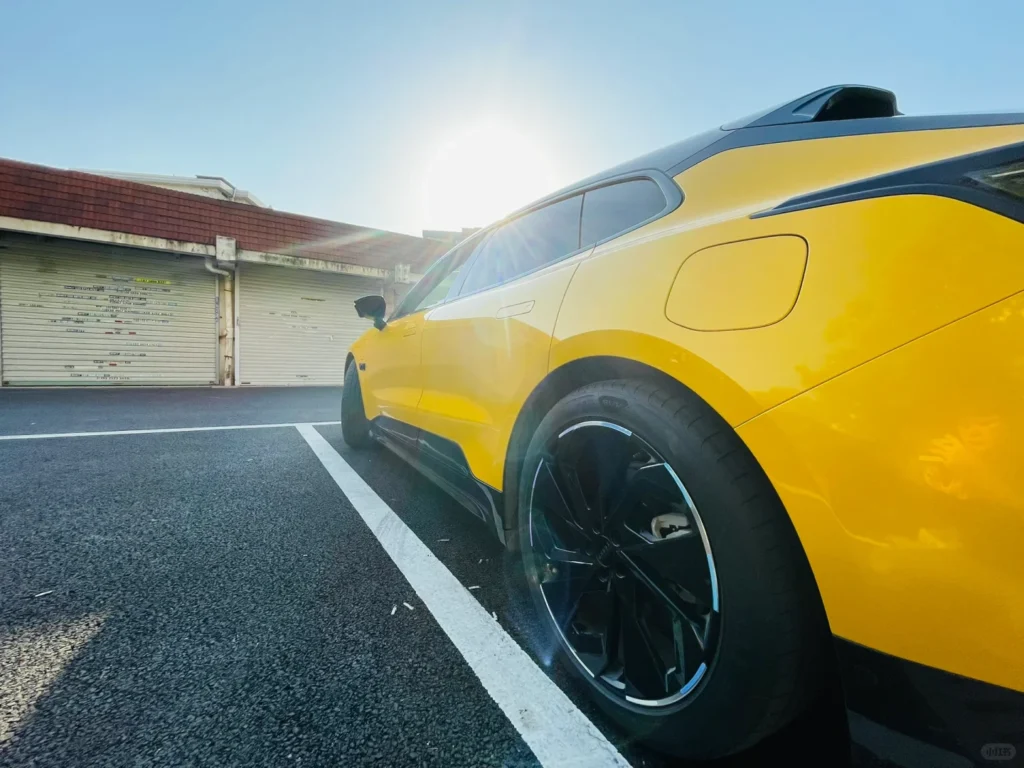
Introduction
When it comes to vehicle customization and paint protection, TPU (Thermoplastic Polyurethane) wraps have quickly become the preferred choice worldwide. But many car owners still wonder:
👉 Can TPU wraps really handle extreme weather conditions like blazing heat, UV exposure, or sub-zero winters?
The truth is, TPU wraps are engineered for resilience. Unlike PVC wraps that crack, fade, or peel in harsh climates, TPU offers long-lasting protection, flexibility, and style—no matter where you drive.
In this guide, we’ll break down exactly how TPU wraps perform under heat, cold, and UV exposure, and why they’re the smartest choice for drivers in diverse global climates.
1. TPU Car Wraps: The Science Behind the Material
TPU is a high-performance elastomer that combines the strength of plastic with the elasticity of rubber. This unique chemical structure gives TPU wraps:
- Superior flexibility (adapts to expansion and contraction in extreme temperatures).
- Self-healing properties (minor scratches disappear with heat).
- UV and chemical resistance (prevents fading and discoloration).
- Longevity (lasting 5–10 years compared to PVC’s 2–3 years).
This makes TPU particularly suitable for regions with unpredictable or harsh climates.
2. TPU Wraps in Scorching Heat
a. Heat Resistance
- TPU can withstand temperatures up to 110°C (230°F) without melting or deforming.
- Unlike PVC, it doesn’t shrink or crack when exposed to hot surfaces.
b. Benefits in Hot Climates
- Prevents paint oxidation and fading.
- Retains gloss or matte finish despite high heat.
- Self-healing activates faster under sunlight, keeping cars scratch-free.
👉 Example: In desert regions like Dubai or Arizona, TPU wraps maintain their integrity where PVC would typically fail in under 12 months.
3. TPU Wraps in Freezing Winters
a. Cold Resistance
- TPU retains flexibility even at -40°C (-40°F).
- Prevents cracking and peeling caused by freezing conditions.
b. Benefits in Cold Climates
- Resists road salt and chemical corrosion.
- Stays flexible during snow and ice removal.
- Protects paint from scratches caused by ice brushes or debris.
👉 Example: In Nordic countries and Canada, TPU wraps survive multiple winters without cracking—something PVC wraps struggle with.
4. TPU Wraps and UV Resistance
a. UV Stability
- TPU wraps are engineered with anti-UV coatings to prevent discoloration.
- Unlike PVC, which yellows and fades quickly, TPU maintains its original color for years.
b. Benefits of UV Resistance
- Keeps colors vibrant and glossy.
- Prevents paint degradation underneath the wrap.
- Extends wrap lifespan to 7–10 years in sunny regions.
👉 Example: In countries like Australia or Southern California, TPU wraps significantly outlast PVC wraps due to better UV defense.
5. TPU vs PVC in Extreme Climates: A Comparison
| Feature | PVC Wraps (Vinyl) | TPU Wraps (Polyurethane) | Winner |
|---|---|---|---|
| Heat Resistance | Weak (shrinks, cracks) | Strong (flexible, self-healing) | TPU |
| Cold Resistance | Brittle below -10°C | Flexible down to -40°C | TPU |
| UV Resistance | Yellows, fades quickly | Anti-UV, long-lasting | TPU |
| Lifespan in Harsh Climate | 1–3 years | 5–10 years | TPU |
| Paint Protection | Basic | Superior | TPU |
👉 Conclusion: TPU wraps outperform PVC across all extreme conditions.
6. Expert Tips for Maximizing TPU Wrap Lifespan in Extreme Climates
- Regular Cleaning
- Use pH-neutral cleaners to remove dust, road salt, and pollutants.
- Avoid Harsh Chemicals
- Stay away from strong solvents or abrasive cleaning tools.
- Shade or Garage Parking
- Even though TPU resists UV, minimizing exposure boosts longevity.
- Ceramic Coating for TPU
- Adds an extra layer of UV and chemical resistance.
- Professional Installation
- Ensures no weak spots that can peel under temperature changes.
7. Real-World Testimonials
- Middle East Car Owners: “My TPU wrap lasted over 6 years in 45°C heat without fading.”
- Scandinavian Drivers: “After 3 winters with road salt, my TPU still looks brand new.”
- California Enthusiasts: “No yellowing, no cracks, just pure shine—even under intense sun.”
8. FAQs About TPU Wraps in Extreme Climates
Q1: Will TPU wraps melt in extreme heat?
No. TPU is heat-resistant up to 110°C and won’t melt under sunlight.
Q2: Do TPU wraps crack in freezing conditions?
No. TPU remains flexible even at -40°C, unlike PVC.
Q3: How long do TPU wraps last in hot and sunny regions?
5–7 years on average, sometimes up to 10 with proper care.
Q4: Is TPU better than ceramic coating alone?
Yes. Ceramic protects surface gloss, but TPU adds impact and scratch resistance too.
Q5: Are TPU wraps worth the higher price in extreme climates?
Absolutely. Long-term durability and paint protection make TPU a cost-effective choice.
Conclusion
TPU wraps are built for the toughest climates. Whether it’s the scorching sun of Dubai, icy winters of Canada, or year-round UV in Australia, TPU outperforms PVC in every category—heat resistance, cold flexibility, and UV protection.
For car owners seeking long-term value, style, and reliable protection, TPU wraps are the global gold standard.
With innovations from brands like CARLAS Color TPU Wraps, which feature self-healing, anti-yellowing technology, and dual dry & wet installation methods, the future of car wrapping is unstoppable—even in the harshest environments.