

The Rise of Car Wraps
In recent years, car wraps have become a popular trend among car enthusiasts and everyday drivers alike. Unlike traditional paint jobs, car wraps allow for quick color changes, surface protection, and even easier restoration of the original paint. Among all wrap materials, TPU (Thermoplastic Polyurethane) and PVC (Polyvinyl Chloride) are the most commonly used. But which one is the right fit for your car?
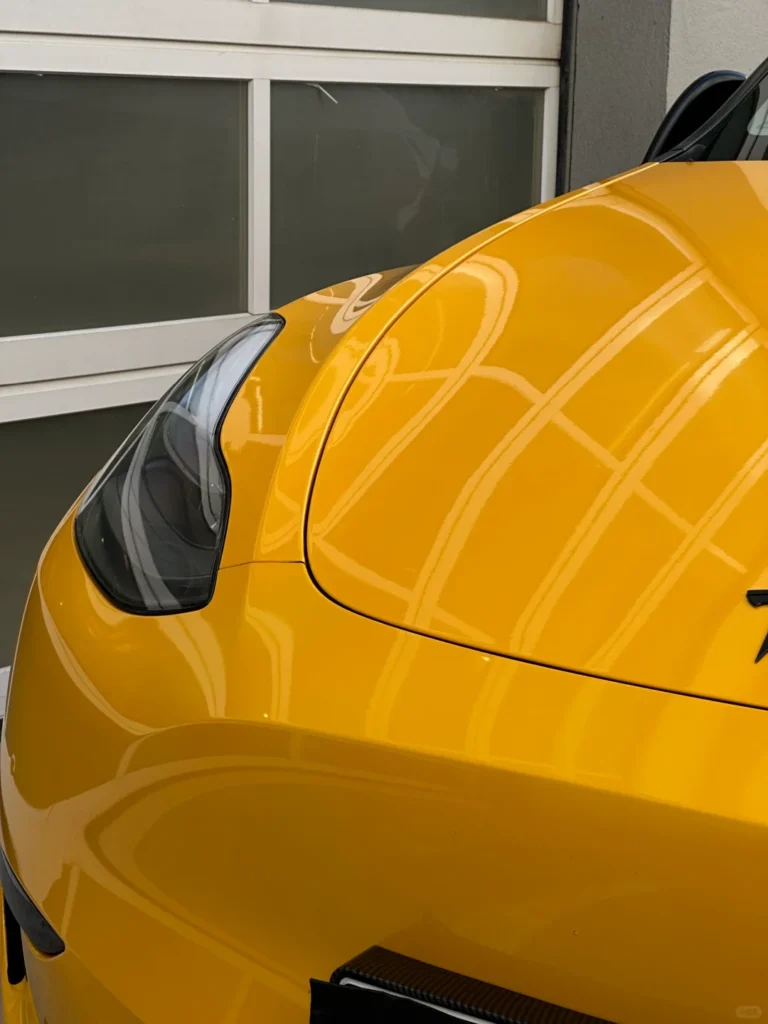
What Is a Car Wrap?
The Basic Purpose of Car Wraps
A car wrap is a protective film applied over the car’s surface. Its main functions include:
- Instantly changing the vehicle’s color and finish
- Protecting the original paint from scratches, chips, and corrosion
- Blocking harmful UV rays and preventing paint oxidation
- Preserving resale value by keeping the factory paint intact
Common Wrap Materials
The car wrap industry mainly uses:
- PVC Wraps – Affordable and widely available
- TPU Wraps – High-end, durable, and protective
- Other Hybrids (PET, blends) – Niche applications still in development
What Is TPU Car Wrap?
Material Characteristics
TPU (Thermoplastic Polyurethane) is a premium elastic polymer known for its durability and flexibility. It’s commonly used in medical devices, footwear, and paint protection films. In car wraps, TPU offers:
- Superior flexibility and stretch
- High transparency and gloss
- Outstanding impact resistance
Self-Healing Power
The biggest advantage of TPU wraps is their self-healing property. Under heat or sunlight, minor scratches vanish, keeping your vehicle looking brand-new.
What Is PVC Car Wrap?
Material Properties and History
PVC (Polyvinyl Chloride) was the first material widely adopted for car wraps due to its low cost and easy processing. It remains popular among budget-conscious car owners.
Cost Advantage vs. Limitations
PVC wraps are affordable and offer a wide range of designs, but they come with drawbacks:
- More prone to cracking and peeling
- No self-healing ability
- Shorter lifespan (typically 2–3 years)
Advantages of TPU Car Wraps
- Flexibility and Smooth Application
TPU wraps stretch better, fitting complex curves and contours seamlessly. - Scratch Resistance and Weather Durability
TPU resists damage from road debris, brushes, and daily wear better than PVC. - Anti-Yellowing & UV Protection
With advanced UV-resistant coatings, TPU wraps resist yellowing and fading, maintaining a fresh look longer.
Advantages of PVC Car Wraps
- Budget-Friendly
PVC wraps are affordable, making them a great entry-level option. - Variety of Styles
They come in countless colors, textures, and finishes, appealing to drivers who love frequent changes.
TPU vs PVC: A Detailed Comparison
| Category | TPU Wrap | PVC Wrap |
| Lifespan | 5–7 years | 2–3 years |
| Scratch Resistance | Excellent, with self-healing | Basic, no self-healing |
| Anti-Yellowing | Strong UV resistance | Weak, prone to discoloration |
| Appearance | Premium gloss & deep color | Wide range but less refined finish |
| Installation | More difficult, requires expertise | Easier to apply |
| Cost | Higher, but longer-lasting value | Low upfront cost |
Which One Is Right for You?
- For Luxury & Long-Term Use → TPU Wraps
Ideal for luxury vehicles and car owners who value both aesthetics and protection. - For Budget & Frequent Style Changes → PVC Wraps
Suitable for everyday cars and drivers who enjoy switching colors often at a lower cost.
CARLAS Innovation: Dual Installation (Dry & Wet TPU Wraps)
CARLAS has taken TPU wraps to the next level with its dual installation method:
- Dry Application – Perfect for small areas and precise detailing
- Wet Application – Allows easy repositioning and faster large-scale installation
This innovation reduces installation time while improving wrap smoothness and appearance.
Maintenance Tips for Longer Lifespan
- Wash your wrapped car with pH-neutral shampoos
- Avoid harsh chemicals or abrasive brushes
- For TPU wraps, use heat or sunlight to remove minor scratches
- Apply protective coating or wax for enhanced durability
FAQs About TPU & PVC Car Wraps
1. Is TPU harder to remove than PVC?
No, TPU is easy to remove and safer for factory paint.
2. Can TPU replace PPF (Paint Protection Film)?
TPU wraps provide great protection but focus more on style + defense, while PPF is purely for maximum protection.
3. Does PVC work in extreme climates?
PVC wraps are prone to cracking in harsh cold and fading under strong heat.
4. Is TPU worth the higher cost?
Yes, especially if you plan to keep your car for years—it protects paint and saves money in the long run.
5. Will wraps affect vehicle inspection?
As long as the wrap is legally registered, it won’t affect inspection.
6. What makes CARLAS TPU wraps unique?
They feature self-healing, anti-yellowing, and dual installation, setting a new benchmark in the industry.
Conclusion: Choose Smart, Protect Your Car
Both TPU and PVC wraps have their strengths. TPU is the superior choice for durability, luxury, and long-term value, while PVC offers affordability and flexibility for casual car owners.
If you want your vehicle to stand out with style while ensuring long-lasting protection, CARLAS’s premium TPU color wraps are the ultimate solution.