

Discover the differences between TPU color car wraps and traditional paint. Learn which option is more cost-effective, stylish, and durable for modern car owners.
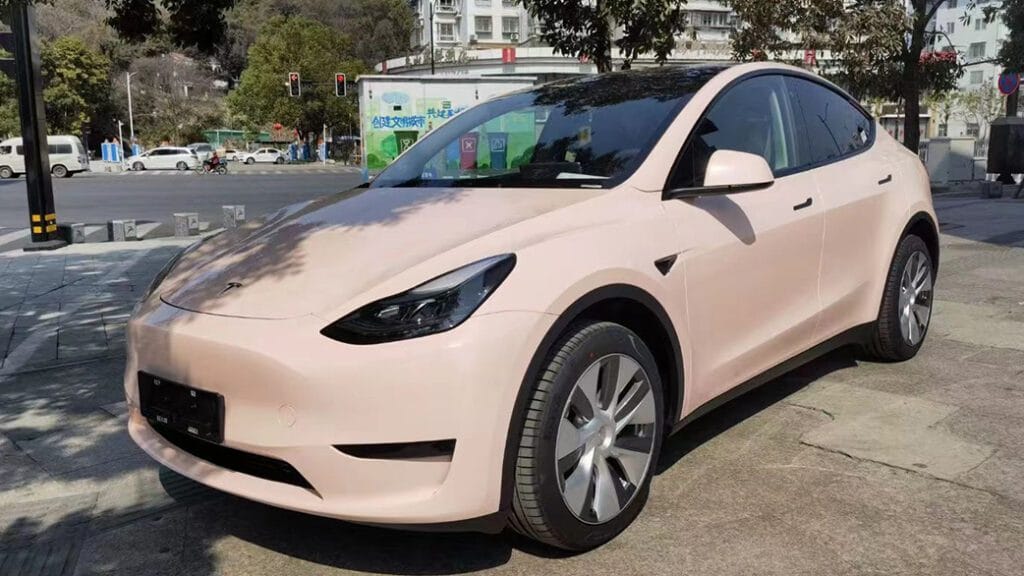
Introduction
Car customization has always been about style, individuality, and protection. For decades, automotive paint was the go-to method to refresh or personalize a car’s look. However, the rise of TPU (Thermoplastic Polyurethane) color car wraps has introduced a new way to achieve the same goals—often with better protection and more flexibility.
But the big question remains: Which is smarter—TPU color car wraps or traditional paint?
In this article, we’ll explore the pros and cons of both, covering aspects such as durability, cost, installation, design options, maintenance, and resale value. By the end, you’ll know which option fits your needs best.
1. Understanding TPU Color Car Wraps
TPU wraps are advanced films made from thermoplastic polyurethane, offering both aesthetic flexibility and protective qualities.
Key Features of TPU Wraps:
- Wide variety of colors, textures, and finishes.
- Acts as a sacrificial layer against scratches, chips, and UV rays.
- Removable without damaging the original paint.
- Includes self-healing and anti-yellowing technology in premium films.
👉 Essentially, TPU wraps combine style + protection in one package.
2. Understanding Traditional Car Paint
Automotive paint involves spraying layers of primer, base coat, and clear coat onto the vehicle.
Key Features of Paint:
- Permanent color and finish.
- Smooth, factory-like appearance.
- High durability when maintained properly.
- Difficult to remove or replace once applied.
👉 Paint has been the gold standard for decades, but permanence can be both a strength and a limitation.
3. TPU Wraps vs Paint: A Side-by-Side Comparison
| Feature | TPU Color Car Wraps | Traditional Paint |
| Cost | $2,000 – $5,000 (varies by film & size) | $3,000 – $10,000 (for quality repaint) |
| Durability | 5–10 years with proper care | 7–10 years (may require refinishing) |
| Scratch Resistance | High (self-healing technology available) | Medium – scratches must be buffed/repainted |
| Customization | Wide variety of colors, textures, finishes | Limited colors & finishes |
| Installation Time | 2–5 days | 7–14 days |
| Maintenance | Easy – wash & occasional ceramic coating | More frequent polishing & waxing |
| Reversibility | Removable, restores original paint | Permanent, cannot be undone |
| Resale Value | Protects paint, helps maintain higher value | May reduce resale if paint fades/scratches |
👉 TPU wraps win in flexibility and protection, while paint excels in permanence and classic appeal.
4. Why More Car Owners Are Choosing TPU Wraps
- Customization Without Commitment
- Change colors or finishes anytime without long-term consequences.
- Paint Protection
- Original paint stays untouched, preserving resale value.
- Cost-Effective Styling
- More affordable than premium custom paint jobs.
- Modern Innovations
- TPU wraps offer anti-yellowing, hydrophobic surfaces, and self-healing—features paint doesn’t provide.
5. When Paint Is the Better Option
While TPU wraps are rising in popularity, paint still has its advantages:
- Classic Restoration: Ideal for vintage cars needing authenticity.
- Ultra-Gloss Finish: Some owners prefer the unmatched depth of professional paint.
- Long-Term Ownership: If you plan to keep the car for decades without changes, paint may be a smarter long-term choice.
6. Style Possibilities: Wraps vs Paint
TPU Wraps Can Achieve:
- Gloss, matte, satin finishes.
- Metallic, carbon fiber, chrome, and color-shifting effects.
- Custom prints, textures, or branded designs.
Paint Can Achieve:
- High-gloss factory finishes.
- Pearlescent and metallic coats.
- Unique but expensive custom jobs (e.g., airbrushed murals).
👉 Wraps allow faster experimentation, while paint excels at premium finishes.
7. Maintenance: Wraps vs Paint
- Wraps: Wash every 1–2 weeks, avoid abrasive brushes, apply ceramic coating for extra hydrophobicity.
- Paint: Requires waxing, polishing, and sometimes paint correction to maintain shine.
👉 Wraps = low maintenance. Paint = high maintenance.
8. Expert Tips: Choosing Between Wrap and Paint
- If you value flexibility, protection, and frequent style changes → choose TPU wraps.
- If you want permanence, depth, and long-term restoration → choose paint.
- Always select professional installation for either option to avoid bubbles, peeling, or uneven coats.
9. FAQs: TPU Wraps vs Paint
Q1: Do wraps damage paint?
No—quality TPU wraps protect paint and can be removed safely.
Q2: How long do TPU wraps last?
5–10 years, depending on climate and care.
Q3: Can wraps look as good as paint?
Yes—premium TPU wraps now achieve near-paint gloss and depth.
Q4: Is repainting cheaper than wrapping?
Not usually. Quality paint jobs are often more expensive than wraps.
Q5: Which option helps with resale value?
Wraps protect factory paint, which generally improves resale prospects.
Conclusion
When it comes to TPU color car wraps vs paint, the smarter choice depends on your priorities.
- Choose TPU wraps if you want protection, flexibility, and customization at a lower cost.
- Choose paint if you’re seeking permanence, authenticity, or a classic finish.
For today’s car owners, especially those in dynamic urban markets and harsh climates, TPU wraps are increasingly the smarter, future-ready option. With innovations from brands like CARLAS, wraps now offer style, self-healing protection, and long-lasting durability—making them a top choice worldwide.