

Discover why continuous innovation is the lifeline of the automotive film industry. Learn how CARLAS leads with advanced TPU films, dual-installation techniques, and future market trends.
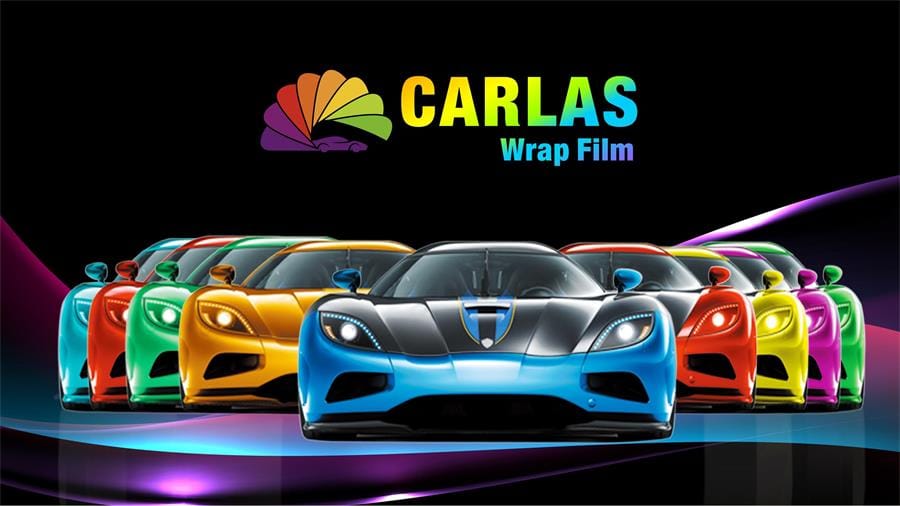
Why Innovation is the Lifeblood of the Automotive Film Industry
The automotive film industry is a fast-moving, highly competitive market driven by changing consumer preferences, evolving vehicle designs, and advancements in material technology. Without continuous innovation, brands risk falling into price wars and losing market relevance.
Material Innovation: The First Line of Competition
The choice of film material directly impacts performance, durability, and consumer trust. In recent years, innovation has shifted the market from traditional PVC to high-performance TPU (Thermoplastic Polyurethane).
Key Advantages of Innovative TPU Films:
- Superior Self-Healing: Minor scratches disappear under heat.
- Anti-Yellowing Technology: Maintains clarity even under intense UV exposure.
- Enhanced Flexibility: Ensures better fit on complex curves.
CARLAS’s TPU Color PPF stands out with its dual-installation system (dry & wet), offering efficiency and precision in one package.
Advancements in Installation Techniques
In the past, car wrap installation heavily relied on manual skills, often leading to inconsistent results. Modern innovations have drastically improved efficiency and quality:
- Dual Installation Technology: CARLAS’s wet-and-dry TPU films speed up installation while minimizing bubbles and wrinkles.
- Automated Cutting Systems: Uses precise vehicle data for exact film sizing.
- Seamless Joint Techniques: Eliminates visible seams for a cleaner finish.
These improvements not only save labor costs but also elevate the customer experience.
Creative Design Innovations & Personalization Trends
Today’s customers are looking for more than just protection—they want self-expression:
- Custom Graphics Printing: Unique patterns for personalized vehicles.
- Gradient Color Films: Multi-layer optical coatings for shifting color effects.
- 3D Texture Films: Carbon fiber, brushed metal, and exotic patterns for a premium look.
CARLAS merges artistic creativity with functional protection, turning cars into moving works of art.
Service Model Innovations
When product quality reaches similar levels across competitors, service becomes the key differentiator:
- On-Site Installation Services: Saves customers time.
- Lifetime Warranty Programs: Builds trust and brand loyalty.
- Membership-Based Maintenance: Regular inspections, cleaning, and film repairs.
These innovations ensure customers keep coming back long after the initial installation.
Case Study: How CARLAS Leads Through Innovation
CARLAS has built its market leadership through product innovation, professional training, and global expansion:
- Product Development: Dual-install TPU Color PPF, anti-yellowing TPU carbon fiber film, printed wraps.
- Training Programs: Professional installation courses ensuring consistent quality across partners.
- Global Reach: Expanding into overseas markets to showcase Chinese innovation worldwide.
Innovation & Sustainability: A Winning Combination
The global market increasingly demands eco-friendly solutions:
- Biodegradable Film Materials: Reducing plastic waste.
- Low VOC Manufacturing: Cutting harmful emissions during production.
- Green Installation Practices: Minimizing solvent use for healthier work environments.
By combining innovation with sustainability, brands can appeal to environmentally conscious consumers while staying ahead of regulations.
Challenges to Sustained Innovation
While innovation is essential, it’s not without obstacles:
- High R&D Costs: Advanced materials and technologies require significant investment.
- Market Education: Customers may take time to understand and value new products.
- Technology Maturity: Innovations need to be fully tested before mass adoption.
Balancing innovation speed with cost and quality is critical.
How to Build an Innovation-Driven Company
- Increase R&D Investment: Dedicated labs and design teams.
- Cross-Industry Collaboration: Partner with universities, material suppliers, and automakers.
- Customer Feedback Loops: Integrate real-world feedback into product development.
Only companies with a closed-loop innovation system can stay ahead long term.
FAQs About Automotive Film Innovation
Q1: Does innovation always mean higher cost?
A1: Not necessarily—while initial R&D costs may be high, economies of scale often reduce costs later.
Q2: Can small businesses innovate too?
A2: Yes—through partnerships, licensing, and niche market focus.
Q3: What’s the biggest risk of innovation?
A3: Poor market acceptance and immature technology—pilot testing is essential.
Q4: Do innovative films last longer than traditional ones?
A4: Typically yes, especially those using advanced TPU and coating technologies.
Q5: How can customers tell if a product is truly innovative?
A5: Check for patents, third-party certifications, and brand reputation.
Q6: Can innovation be harmful to the environment?
A6: If designed with sustainability in mind, innovation can actually reduce environmental impact.
Conclusion: Innovation is the Core Survival Strategy
In the ever-changing automotive film industry, continuous innovation in materials, installation methods, design, and service models is the only way for brands to thrive. CARLAS has shown that courage, creativity, and consistency in innovation lead to market leadership—not just locally, but globally.