

PPF is the secret to keeping your car looking brand new. Discover how Paint Protection Film shields your vehicle from damage and preserves its factory finish for years.
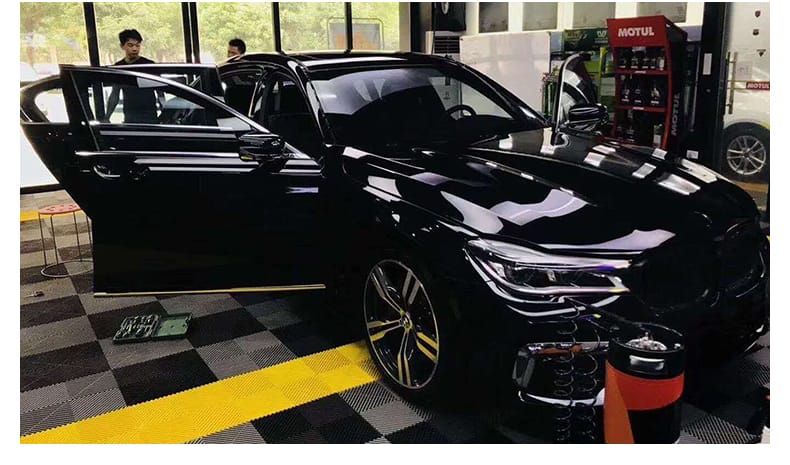
What Is PPF (Paint Protection Film)?
Paint Protection Film, commonly referred to as PPF, is a thin, transparent layer of polyurethane or polymer applied to a vehicle’s exterior surfaces. Its primary function is to protect the paint from damage caused by road debris, UV rays, chemicals, scratches, and everyday wear.
Composition and Structure of PPF
Modern PPF is composed of multiple layers, typically including:
- Top Coat: Self-healing, hydrophobic, scratch-resistant
- Polyurethane Layer: Flexible and impact-absorbing
- Adhesive Layer: Clear, strong, and repositionable
- Release Liner: Removed during installation
This advanced layering allows PPF to be both protective and nearly invisible.
Why Your Car Needs PPF
Daily driving exposes your car to dozens of paint-damaging elements that can degrade its appearance quickly.
Protection Against Rock Chips and Road Debris
PPF acts as a barrier between your car’s paint and high-speed projectiles like:
- Gravel
- Asphalt chunks
- Salt and sand
These impacts can cause tiny chips or deep scratches—PPF absorbs the damage so your paint doesn’t have to.
UV and Chemical Resistance
PPF blocks harmful UV rays, preventing:
- Color fading
- Oxidation
- Discoloration
It also shields against acidic contaminants like bird droppings, bug splatter, and tree sap, which can etch paint within minutes.
Self-Healing Scratch Protection
Some PPF films have self-healing top layers that restore minor scratches and swirl marks with heat—from sunlight or hot water.
PPF Keeps Your Car Looking New
Gloss Retention and Color Preservation
PPF enhances your car’s depth and gloss, especially when paired with ceramic coatings. Unlike wax or coatings, PPF physically blocks scratches and scuffs from affecting your paint.
Invisible and Seamless Appearance
When applied professionally, PPF is virtually undetectable. It can be edge-wrapped around panels for a flawless, OEM-level finish.
Where Can You Apply PPF?
While full-body wraps offer the best protection, many owners opt for targeted coverage based on their budget and driving habits.
Popular Application Areas
- Front bumpers
- Hood and fenders
- Side mirrors
- A-pillars and rocker panels
- Door cups and edges
- Trunk ledges
Custom vs. Pre-Cut PPF Installations
- Pre-cut kits are machine-cut and fast to install with clean lines.
- Custom installs require manual trimming but provide full edge coverage and wrap-around effects.
How Long Does PPF Last?
With proper care, high-end PPF can last 5 to 10 years. The film’s longevity depends on:
Factors That Influence Longevity
- Film Brand and Thickness
- Climate and Driving Environment
- Frequency of Cleaning
- Whether Ceramic Coating Is Applied on Top
- Garage Storage vs. Constant Sun Exposure
Professional vs. DIY Installation
Professional Installation
Pros:
- Warranty-backed work
- Flawless, bubble-free results
- Proper surface preparation
- Edge wrapping and precision cuts
DIY Installation
Cons:
- Risk of bubbles or misalignment
- Limited tools and experience
- No warranty coverage
Unless you’re highly skilled, professional installation is strongly recommended.
Caring for Your PPF-Wrapped Car
Washing, Coating, and Inspection Tips
- Wash every 2–3 weeks using a pH-neutral soap
- Use a soft microfiber mitt
- Dry with air or plush towel to prevent scratches
- Inspect for lifting edges or damage monthly
What to Avoid
- Abrasive polishes
- Machine buffing
- Petroleum-based waxes
- Harsh degreasers or solvents
- High-pressure washes too close to edges
FAQs About PPF (Paint Protection Film)
Q1: Does PPF affect the paint color?
No, it’s clear and enhances gloss without altering color.
Q2: Can I wax or ceramic coat PPF?
Yes. Many owners apply ceramic coating over PPF for easy cleaning.
Q3: Will PPF turn yellow over time?
Quality films are resistant to yellowing, especially those with UV inhibitors.
Q4: Can PPF be removed without damage?
Yes, when removed properly by a professional.
Q5: Is PPF worth it for leased vehicles?
Absolutely. It helps protect the paint and avoid costly lease-end penalties.
Conclusion
PPF truly is the secret to keeping your car looking brand new. From protecting against rock chips and scratches to resisting UV damage and maintaining high-gloss shine, Paint Protection Film offers unmatched value for every car owner. Whether you’re driving a luxury sedan or a weekend sports car, investing in PPF keeps your car’s paint in pristine condition—today and years down the road.