

TPU color wraps are more than cosmetic upgrades — they provide real structural protection that PVC vinyl films cannot match. Learn why TPU is the new global standard for both aesthetics and durability.
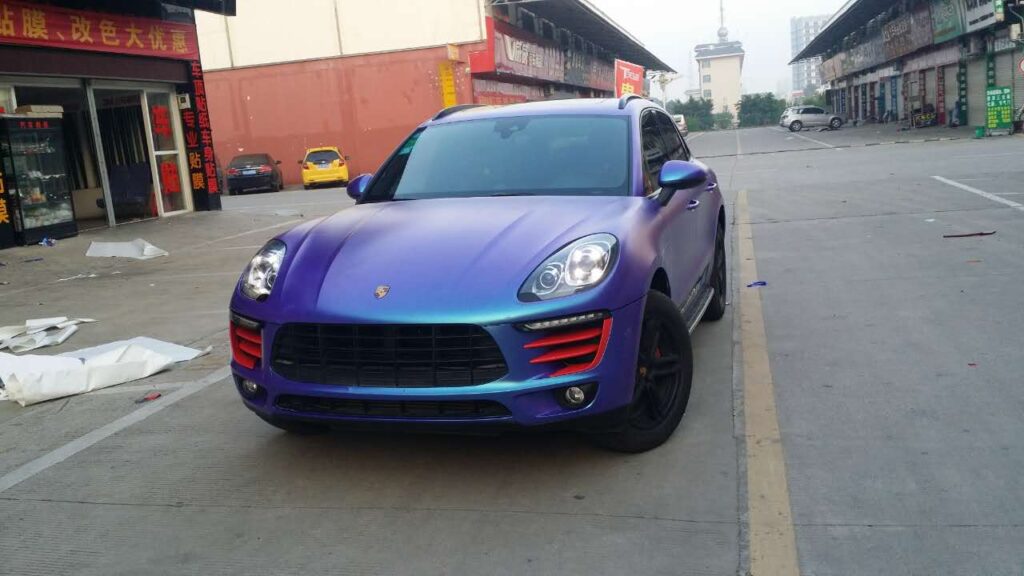
Introduction: Car Wraps Are No Longer Just About Color
Most car owners still think wraps are just thin color layers meant to change appearance. That may be true for PVC vinyl, but TPU color PPF (Paint Protection Film) has transformed what a wrap can do.
TPU wraps don’t simply sit on the surface — they shield, absorb impact, prevent scratches, and extend the life of factory paint. They act more like an additional protective skin, bringing together the roles of wrap + PPF + UV shield into one advanced material.
If you’re considering a wrap that does more than look good, TPU is far beyond PVC in structural integrity and long-term protection.
1. The Biggest Difference: TPU Protects, PVC Covers
PVC vinyl wraps offer:
- Color
- Design
- Basic surface coverage
But TPU wraps offer a functional protective layer that:
- Shields against rock chips
- Absorbs light impacts
- Resists scratches
- Blocks UV damage
- Prevents chemical stains
- Stops oxidation
This is why TPU color wraps are often called Color PPF — they combine styling with true paint protection.
PVC = Cosmetic
TPU = Cosmetic + Structural Protection
2. Multi-Layer TPU Construction Creates Real Defense
Premium TPU wraps have 3–5 engineered layers, typically including:
✔ 1. Anti-Scratch Self-Healing Top Coat
Repairs swirls, light scratches, and scuffs with heat or sunlight.
✔ 2. High-Elastic TPU Core Layer
The key structural layer that absorbs impact and resists tearing.
✔ 3. UV & Anti-Yellowing Shield
Prevents discoloration and protects the wrap integrity long-term.
✔ 4. Strong Acrylic Adhesive Layer
Ensures stability without damaging factory paint.
PVC wraps only have pigment + adhesive.
TPU wraps have functional engineering behind every layer.
Result: TPU acts like armor, while PVC behaves like a sticker.
3. Superior Impact Resistance: Real Protection from Roads
Everyday driving exposes your car to:
- Gravel
- Small stones
- Road debris
- Car door bumps
- Shopping cart scrapes
PVC films are too thin and brittle to handle physical impact. They tear or dent instantly.
TPU, however, offers:
- High tensile strength
- Elastic shock absorption
- Resistance to penetration
- Ability to stretch without cracking
This makes TPU ideal for regions with rough roads or highways where debris is common.
Your paint stays safe under TPU — PVC simply can’t do this.
4. Self-Healing: A Feature PVC Will Never Offer
TPU’s self-healing top coat is one of its most advanced characteristics.
When scratched by:
- Fingernails
- Tree branches
- Automatic car wash brushes
- Daily wear
TPU can heal itself with:
- Sunlight
- Warm water
- Heat gun
PVC cannot recover. Scratches stay permanently and make the car look older quickly.
5. TPU Resists Harsh Chemicals & Environmental Damage
Daily exposure to contaminants affects paint and wraps differently. TPU resists:
- Acid rain
- Bird droppings
- Tree sap
- UV sunlight
- Road salt
- Industrial fallout
PVC absorbs many of these substances, resulting in:
- Staining
- Warping
- Discoloration
- Surface deterioration
TPU was initially developed for PPF — meaning it is designed for real-world, long-term protection.
6. TPU Outperforms PVC in Extreme Weather
| Condition | TPU Wrap | PVC Wrap |
|---|---|---|
| Heat | Stable, no warping | Warps, bubbles |
| Cold | Stays flexible | Cracks, becomes brittle |
| UV Rays | High resistance | Fades fast |
| Rain & Humidity | No lifting | Prone to peeling |
| Temperature Fluctuation | Adapts well | Shrinks & wrinkles |
TPU is suitable for harsh climates: deserts, snowy regions, high UV zones, tropical humidity — PVC is not.
7. Longer Lifespan Means Higher Long-Term Value
TPU wraps typically last: 5–10 years
PVC vinyl wraps last: 1–3 years
TPU costs more upfront but offers significantly better value because it:
- Keeps paint in near-new condition
- Reduces repainting costs
- Maintains color longer
- Requires less maintenance
- Doesn’t peel or crack easily
In terms of durability and overall cost over time, TPU wins clearly.
8. Why Premium Cars Prefer TPU
Owners of luxury brands like Tesla, BMW, Lexus, Porsche, and Mercedes increasingly choose TPU because:
- The paint is expensive
- Resale value matters
- The vehicles require strong surface protection
PVC wraps can damage soft OEM paint when removed.
TPU, however, protects the paint underneath and peels off cleanly.
For any car where paint protection matters, TPU is the smart choice.
9. When PVC Still Makes Sense (Rare Cases)
PVC may still be suitable for:
- Temporary advertising wraps
- Short-term color changes
- Budget projects
- Cars with old or damaged paint
- Surfaces that don’t need impact protection
But for long-term vehicle aesthetics and protection, TPU is far superior.
Conclusion: TPU Is More Than a Wrap — It’s a Protective Upgrade
TPU color PPF does what PVC cannot:
- Protects against scratches, chips, and impacts
- Self-heals minor damage
- Blocks UV rays and oxidation
- Survives extreme weather
- Extends paint life
- Keeps the car looking new longer
PVC changes color.
TPU transforms protection.
For drivers who care about both style and long-lasting durability, TPU is the clear winner — not just a color layer, but a structural shield your vehicle can rely on.
If your goal is to protect your car while giving it a stunning new look, TPU offers performance PVC simply cannot match.