

How to Protect Your Car Wrap from UV Damage and Scratches:shield your vinyl wrap from sun exposure and physical damage, extending its lifespan and beauty.
Understanding Car Wrap Materials
Car wraps have become an increasingly popular choice for car owners wanting to add a sleek look, advertise a business, or protect the factory paint. Most car wraps are made from high-quality vinyl, known for its flexibility, durability, and vibrant finish.
There are different grades of vinyl — cast vinyl and calendared vinyl being the most common. Cast vinyl is generally more durable and suited for long-term use, while calendared vinyl is often used for short-term applications due to its lower flexibility and UV resistance.
Types of Car Wrap Finishes
Each wrap finish has its own vulnerability:
- Gloss Wraps: These reflect light and can fade quickly under direct sunlight.
- Matte Wraps: Prone to discoloration and hard to repair if scratched.
- Satin Wraps: Offer a middle-ground in both appearance and resistance.
- Textured Wraps: Carbon fiber or brushed metal wraps have small ridges, which can trap dust and be prone to scratching.
Knowing what type of wrap you have is the first step in tailoring your protection strategy.
Effects of UV Rays on Car Wraps
One of the biggest threats to your wrap is constant sun exposure. UV rays break down the polymers in vinyl, leading to premature wear.
Common Signs of UV Damage
- Fading Colors: A bright blue might turn into a pale sky-blue within a year if left unprotected.
- Brittleness: UV rays dry out the material, making it stiff and more susceptible to cracks.
- Peeling Edges: Heat can cause adhesive failure, especially near the corners.
- Cracking or Discoloration: Irregular surfaces may experience uneven damage, especially in matte wraps.
How Scratches Impact Car Wrap Longevity
Scratches might seem cosmetic, but they compromise the wrap’s integrity. Minor scratches can lead to fading or dirt build-up, while deeper scratches might penetrate the wrap and expose the paint below, defeating the purpose of a wrap.
Prevention is key — the thinner the wrap (often true with budget wraps), the easier it is to scratch.
Best Practices to Prevent UV Damage
Parking in Shade or Indoors
Simple, yet effective. Keeping your car in a garage or under a shaded area reduces UV exposure significantly. Even a tree or a carport can extend wrap life by months or even years.
Use of Car Covers
Not all covers are created equal. Choose breathable, UV-resistant covers that won’t trap heat. A well-fitted cover also prevents bird droppings and debris from affecting the wrap.
Applying UV-Protective Sealants
Specialized wrap sealants create a thin, transparent shield over the vinyl. Look for ones labeled as UV-resistant, wrap-safe, or non-yellowing. Apply every 3–6 months for best results.
Best Techniques to Avoid Scratches
Hand Washing vs. Machine Washing
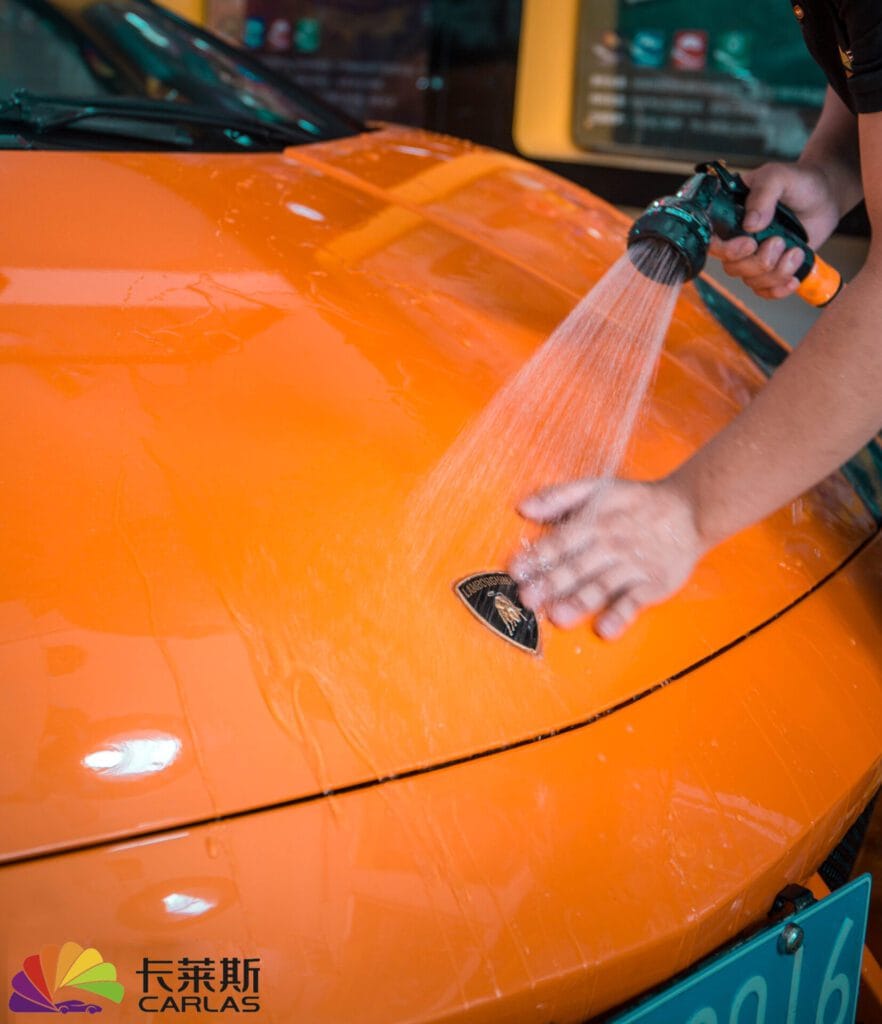
Always opt for hand washing with wrap-safe soap. Automated brushes in car washes can scuff or tear vinyl edges.
Using Microfiber Towels and Wrap-Safe Products
Use plush microfiber towels and pH-neutral cleaning solutions. Avoid abrasive materials and harsh solvents like alcohol or acetone, which degrade wrap layers.
Ceramic Coating for Car Wraps
Ceramic coatings aren’t just for paint anymore — they work wonders on vinyl too.
Does Ceramic Coating Block UV?
Yes! Quality ceramic coatings offer UV protection, acting like sunscreen for your wrap. They deflect harmful rays and prevent premature aging.
Scratch Resistance Offered by Coatings
While ceramic coatings don’t make your wrap “scratch-proof,” they add a slick surface that resists minor abrasions, bird droppings, and even tree sap.
Routine Maintenance Tips
- Wash your car every two weeks
- Avoid high-pressure jets near edges
- Perform a visual inspection monthly
- Reapply sealant or ceramic coating every few months
When to Rewrap Your Vehicle
If your wrap shows extensive cracking, fading, or peeling, it’s time to consider rewrapping. Most quality wraps last 5–7 years with proper care.
Professional Help vs. DIY Care
DIY: Cheaper but riskier if using the wrong products.
Professional: More costly but ensures safety, especially for ceramic coating or polishing wraps.
Eco-Friendly and Budget-Friendly Options
- Use waterless wrap-safe sprays
- Cover with reusable UV blankets
- Make your own pH-neutral cleaning mix using eco-detergents
Common Myths About Car Wrap Protection
- Myth: “Wraps are maintenance-free.”
Truth: They need care just like paint. - Myth: “Any car wax will do.”
Truth: Only use vinyl-specific products. - Myth: “UV rays don’t affect matte wraps.”
Truth: Matte is just as vulnerable, if not more.
Conclusion
Your car wrap is an investment worth protecting. With the right care, you can maintain its bold look, prevent UV degradation, and reduce scratches for years to come. Whether you choose professional services or opt for budget-friendly DIY approaches, a little prevention goes a long way.