

Car wraps have become a popular choice for both branding and personal customization. Whether you want to turn your vehicle into a rolling advertisement or simply give it a bold new look, a car wrap is a versatile, non-permanent solution.
But one common question remains:
How long does a car wrap actually last?
The short answer: anywhere from 1 to 7 years. But the full answer depends on several key factors—from the quality of materials to how you care for your vehicle.
In this guide, we’ll explore what influences the longevity of a car wrap and how you can extend its lifespan for maximum value.
Key Factors That Affect Car Wrap Lifespan
1. Vinyl Quality
Not all vinyl is created equal. The quality of the wrap film plays the biggest role in how long your wrap will last.
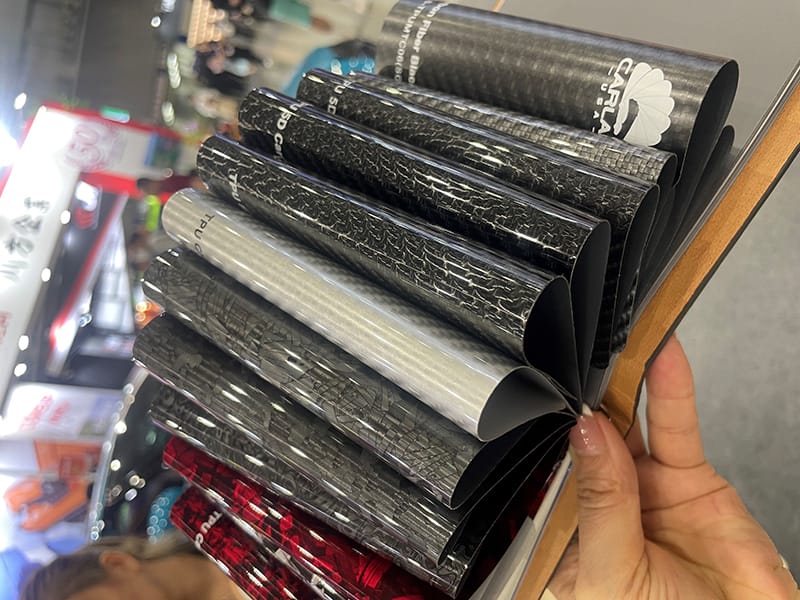
- Premium Brands: Top manufacturers like 3M, Avery Dennison, and Carlas produce vinyl films designed for durability, UV resistance, and long-term adhesion.
- Budget Options: Cheaper vinyl may look good at first, but it often fades, peels, or cracks within a year or two.
Tip: Always invest in high-quality vinyl if you’re looking for long-lasting results.
2. Professional Installation
Even the best vinyl can fail if it’s not installed properly.
- Surface Prep: Professional installers ensure the vehicle is clean, smooth, and contaminant-free before application.
- Technique: Experts apply heat and pressure evenly to avoid air bubbles, wrinkles, and lifting edges.
Tip: Choose an experienced installer with a proven track record to ensure the wrap adheres correctly and lasts longer.
3. Environmental Exposure
Your local climate and daily driving conditions significantly affect wrap durability.
- UV Rays: Prolonged sun exposure can cause fading and adhesive breakdown over time.
- Temperature Swings: Drastic temperature changes can cause the vinyl to expand and contract, leading to cracks or peeling.
- Weather Elements: Rain, snow, hail, road salt, and debris all contribute to wear and tear on your wrap.
Tip: Try to park in shaded or indoor areas when possible to minimize weather-related damage.
4. Vehicle Usage and Maintenance

Your driving habits and maintenance routine directly influence how long your wrap holds up.
- Frequent Washing: Dirt, dust, and bird droppings can eat into the vinyl over time.
- Proper Cleaning: Avoid abrasive brushes, harsh detergents, or power washing at close range.
- Routine Checks: Look for signs of wear like bubbling, cracking, or edge lifting.
Tip: Wash your wrapped vehicle once a week using mild soap and a soft sponge or microfiber cloth.
How Long Does a Car Wrap Typically Last?
| Wrap Type | Estimated Lifespan |
| High-quality vinyl + professional install | 3–7 years |
| Mid-tier vinyl + average install | 2–3 years |
| Low-cost vinyl or DIY install | 1–2 years or less |
With premium materials like Carlas vinyl wraps and proper care, your wrap can stay vibrant and intact for several years.
Tips to Maximize the Lifespan of Your Car Wrap
To get the most out of your investment, follow these expert tips:
- Use Only Premium Vinyl Films (3M, Avery Dennison, Carlas)
- Have It Installed Professionally
- Avoid Automatic Car Washes – go for hand washing
- Use Gentle Cleaners – no harsh chemicals or abrasive pads
- Park in a Garage or Shade whenever possible
- Dry the Vehicle Properly after washing to prevent water spots
- Inspect Regularly for early signs of lifting or damage
- Repair Small Issues Immediately to prevent spreading
Conclusion: Make Your Car Wrap Last
So, how long does a car wrap last?
With high-quality vinyl, professional installation, and regular maintenance, your car wrap can easily last up to 5–7 years. On the other hand, cutting corners with cheap materials or DIY installs could mean your wrap fades or peels within a year.
Your wrap’s longevity is in your hands. Choose quality, protect it from the elements, and take proper care—and you’ll enjoy a long-lasting, eye-catching finish that turns heads for years.
Ready to Wrap Your Car?
Explore the durable and vibrant Carlas Vinyl Wrap collection—designed to last, engineered for style.