

Carbon fiber vinyl wrap is one of the most popular choices in the wrap world—loved for its high-tech, race-inspired look and textured surface. Whether you’re adding subtle accents to mirrors or a hood, or going bold with a full-body wrap, carbon film delivers a stunning result—if you know how to use it properly.
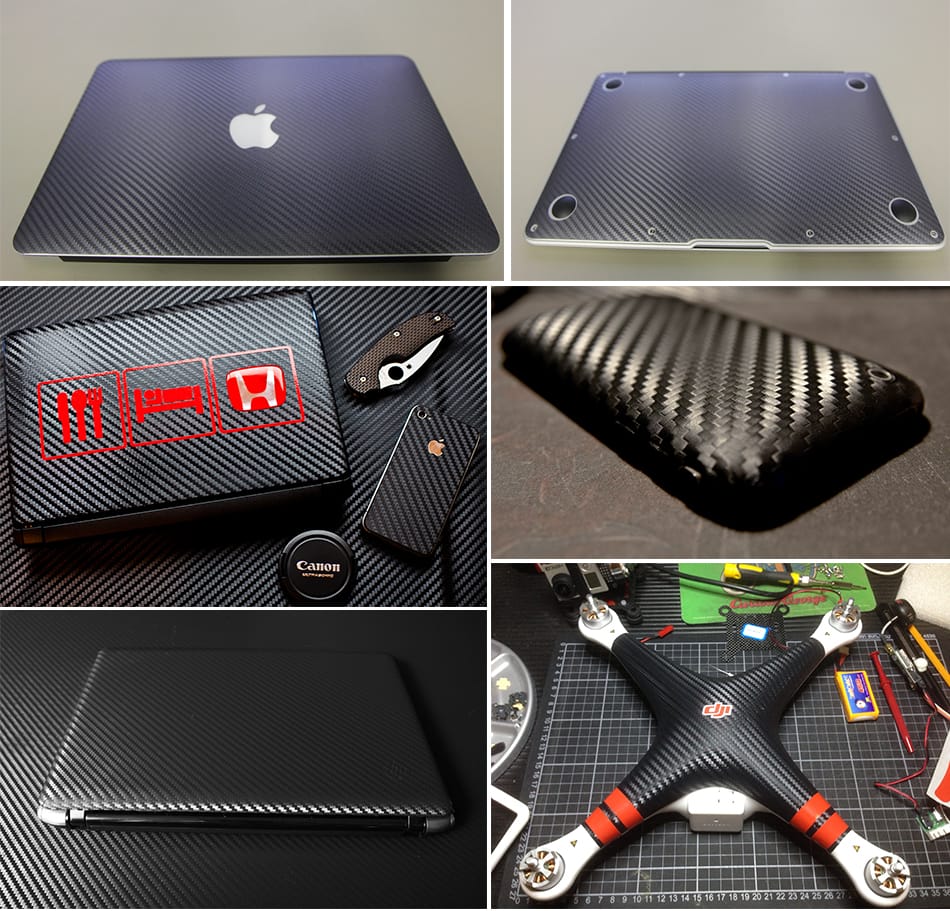
But here’s the truth: carbon fiber wrap can be tricky to install without the right knowledge. So before you dive into your next wrap project, read on. We’ll break down the unique characteristics of carbon wrap and the expert tips you need for a smooth, clean installation.
Why Carbon Fiber Wrap Is Different
Carbon wrap doesn’t behave like gloss or matte vinyl. It has a multi-layered texture designed to mimic real carbon fiber weave. This layered construction gives it visual depth—but also makes it more prone to damage if handled incorrectly.
Here’s what makes it unique:
1. Directional Pattern
Carbon vinyl wrap has a directional grain. That means the fibers (or visual texture) run in one direction. If you don’t align the film consistently from panel to panel, the pattern will look mismatched—especially noticeable under light.
Pro Tip:
Treat installation like a puzzle. Always match the direction of the pattern, especially across adjacent panels like the bumper and fender.
2. No Built-In Laminate Protection
Unlike gloss or matte vinyl, most carbon fiber wraps don’t include a protective laminate layer. That means:
- They are more prone to scratches during application.
- There’s no self-healing when heat is applied, as with laminated films.
Pro Tip:
Use soft squeegee buffers—especially felt or microfiber—and keep your pressure low, especially around curves and recesses.
3. Textured Surface = Variable Thickness
The layered structure of carbon vinyl means thickness varies across the material. This has two main implications:
- It’s more prone to tearing, especially in cold conditions.
- Stretching or repositioning the film incorrectly can split or damage it.
Pro Tip:
Warm up the surface and the film with a heat gun before stretching or repositioning. Avoid aggressive pulling—carbon film is less forgiving than gloss or matte films.
4. Corner & Curve Challenges
Carbon wrap is generally thicker and stiffer, which makes it harder to conform to:
- Sharp corners
- Deep curves
- Recessed areas
If you rush or apply too much tension, the film may wrinkle, lift, or tear.
Pro Tip:
- Keep the film as flat to the surface as possible when using a squeegee.
- Use low squeegee angles to minimize marks.
- Always work in a warm environment for best flexibility.
Final Thoughts: Is Carbon Fiber Wrap Right for Your Project?
Carbon fiber vinyl wrap offers a bold, aggressive look that turns heads. But it’s not the easiest material to work with. Understanding the directional pattern, scratch sensitivity, and textural behavior is critical for achieving a clean, professional-grade finish.
With the right tools, a careful approach, and a bit of patience, carbon fiber wrap can take your vehicle’s look to the next level.