

Let’s be honest: washing your car is a chore. Between the soap, the water, the drying, and the inevitable return of dirt, it can feel like a never-ending cycle. But what if your car’s surface could actively help keep itself clean?
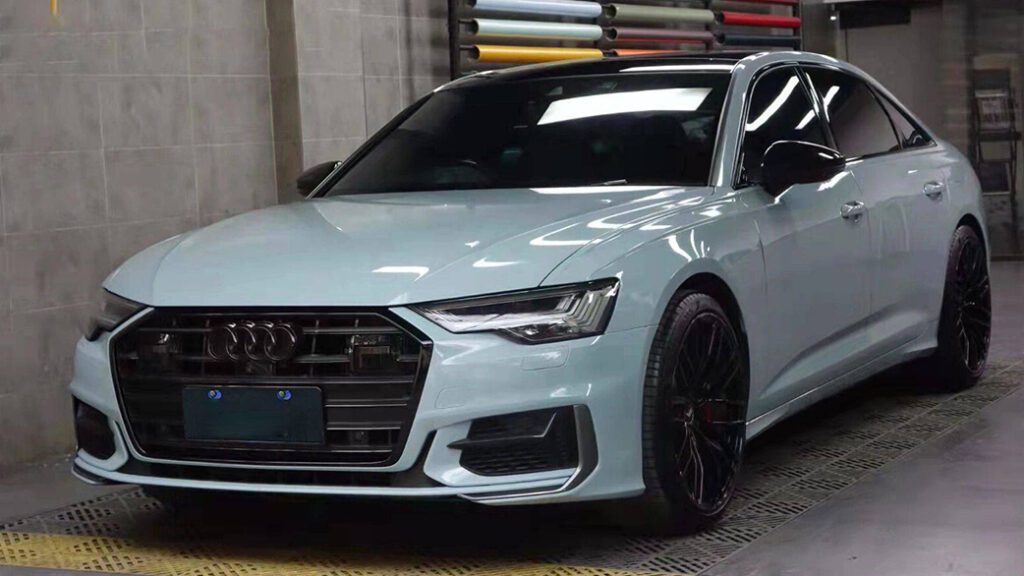
This isn’t a fantasy; it’s the reality offered by modern high-quality Thermoplastic Polyurethane (TPU) Paint Protection Films (PPF). Beyond shielding your paint from rock chips and scratches, premium TPU wraps come with a game-changing feature: a built-in hydrophobic and stain-resistant top coat that fundamentally changes your relationship with car cleaning.
This article breaks down how this technology works and the real-world benefits it brings to any car owner.
The Magic of the Hydrophobic Top Coat
The “self-cleaning” effect isn’t a property of the TPU itself, but of an advanced, ultra-smooth, and dense top coat that is applied during the manufacturing process. This layer is the secret to effortless maintenance.
What Does “Hydrophobic” Mean?
Hydrophobic literally means “water-fearing.” On a TPU wrap, this translates into an incredibly high surface tension that causes water to bead up into tight, round droplets instead of spreading out into a sheet.
Here’s why that matters:
- The Beading Effect: When water beads up, it has less contact with the surface.
- The Roll-Off Effect: Due to the slickness of the top coat and the rounded shape of the beads, water simply rolls right off the panel, even on a slight incline.
- Taking Dirt With It: As the water beads form and roll away, they pick up and carry loose surface contaminants like dust, pollen, and light mud with them.
This process is often called the “self-cleaning effect.” After a rain shower, your car is often left cleaner and drier than it would be with a traditional wax or sealant.
The Power of Stain Resistance
A hydrophobic surface is naturally more resistant to staining, but premium TPU films take it a step further. The non-porous, cross-linked top coat prevents common contaminants from bonding deeply to the surface.
Stains from the following are significantly reduced and much easier to remove:
- Bug Splatter: The acidic remains of insects have a hard time etching into the protected surface.
- Bird Droppings: This is a critical one. Bird droppings are highly acidic and can permanently etch clear coat. On a TPU wrap, they are much less likely to bond and can be safely removed without leaving a stain.
- Tree Sap: Sticky sap won’t penetrate the top coat, allowing it to be carefully peeled or wiped away.
- Water Spots: Because water doesn’t sit on the surface for long and dries in beads, it leaves behind far fewer mineral deposits (water spots).
Real-World Benefits: More Time, Less Work
So, how does this technology translate into your daily life?
- Effortless Cleaning Between Washes: A quick rinse with a hose is often all that’s needed to remove weeks of light dust and grime, restoring a spotless shine.
- Faster and Drier Hand Washes: Soap suds slide off more easily, and the final rinse is incredibly efficient. Your car dries faster with minimal effort, reducing the chance of water spots.
- Preserved Showroom Shine: By making it easier to clean and preventing stains, the film helps maintain that deep, glossy “just detailed” look for far longer.
- Enhanced Long-Term Protection: Since harsh contaminants are easily removed, they have less time to degrade, stain, or etch the underlying PPF and your paint, protecting your investment.
Maintaining the Hydrophobic Properties
The hydrophobic top coat is durable, but its effectiveness can diminish slightly over a few years due to environmental exposure and washing. The good news is that it’s easy to rejuvenate.
- Use PPF-Safe Products: Avoid harsh chemicals, abrasive polishes, and waxes that can clog the surface. Use pH-neutral car shampoo.
- Boost with a Ceramic Topper: The best way to maintain and even enhance the hydrophobic effect is to use a PPF-specific ceramic spray coating. These easy-to-apply toppers bond with the existing top coat, adding an extra layer of slickness and incredible water beading for 6-12 months per application.
FAQ: Hydrophobic TPU Wraps
Q: Is the hydrophobic property self-healing?
A: Yes, on many premium films. The same heat (from sunlight or warm water) that allows the film to heal light scratches also helps to “reflow” the top coat, maintaining its smoothness and hydrophobic nature.
Q: How long does the factory hydrophobic coat last?
A: This varies by brand, but a high-quality TPU film like XPEL ULTIMATE PLUS or STEK DYNOshield typically retains strong hydrophobic properties for 2-3 years. After that, it can be easily boosted with a ceramic topper.
Q: Is this different from a ceramic coating?
A: Think of it as a built-in, permanent ceramic coating for the life of the PPF. It functions on the same principles. For the ultimate in slickness and protection, many owners apply a separate consumer-grade ceramic coating on top of their PPF for a synergistic effect.
The Bottom Line: Transform Your Car Care Routine
A hydrophobic and stain-resistant TPU wrap does more than just protect—it simplifies. It turns the tedious task of washing your car into a quick and efficient process, all while ensuring your vehicle looks its best every day.
Investing in a premium TPU wrap means investing in both ultimate protection and ultimate convenience. It’s the smart choice for anyone who wants to spend less time cleaning their car and more time enjoying the drive.
Ready to make car cleaning a breeze? Find a certified installer and ask to see the dramatic water-beading action of a premium hydrophobic TPU film for yourself.