

Congratulations! You’ve just invested in a TPU (Thermoplastic Polyurethane) paint protection film (PPF) for your car. This is one of the smartest ways to preserve your vehicle’s showroom shine and protect it from rock chips, bug acids, and minor abrasions.
However, the work isn’t over once you drive away from the installer. The first few weeks are critical for the long-term success and self-healing properties of your wrap. Proper aftercare ensures your TPU film looks flawless and performs perfectly for years to come.
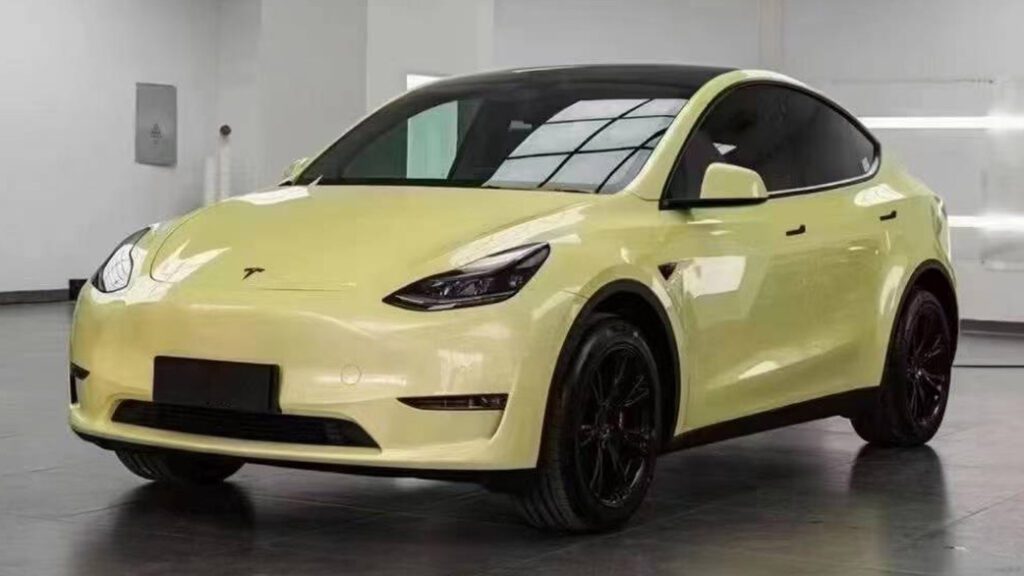
This ultimate guide covers everything you need to know about caring for your car after a TPU wrap installation.
The Critical First 48-72 Hours: The Curing Period
Immediately after installation, the adhesive beneath the TPU film needs time to fully bond with your car’s factory paint. This process is called curing. During this period, the film is at its most vulnerable.
What to Do:
- Leave it Parked: Ideally, leave your car parked in a cool, shaded garage for at least 48 hours.
- Keep it Dry: Avoid washing the car, driving in rain, or through puddles. Water can seep under the edges and weaken the adhesive bond.
- Don’t Touch the Edges: Resist the temptation to poke or peel at the film’s edges.
What to Avoid:
- High-Pressure Washers: Never use a pressure washer during this time.
- Automatic Car Washes: Avoid brush or touchless automatic car washes.
- Extreme Temperatures: Avoid parking in direct, hot sunlight for prolonged periods, as extreme heat can affect the curing adhesive.
The First Two Weeks: Settling In
After the initial curing period, the film will continue to settle. You might notice some haziness, water bubbles, or slight orange-peel texture. This is completely normal and will disappear as the film fully adheres and any trapped moisture evaporates.
What to Do:
- Be Patient: Allow any small water bubbles or haziness to evaporate naturally. This can take up to two weeks depending on the weather.
- Hand Wash Only: You can begin hand washing your car after the first 48-72 hours, but be very gentle.
What to Avoid:
- Picking at Bubbles: Do not puncture or try to squeeze out water bubbles. You could tear the film or introduce dirt.
- Waxing or Sealing: Do not apply any wax, sealants, or coatings to the film yet.
Long-Term Maintenance: Washing and Drying
Once fully cured (after about 2-4 weeks), your TPU wrap is incredibly durable. Proper washing techniques are key to maintaining its glossy, self-healing finish.
Step-by-Step Washing Guide:
- Pre-Rinse: Use a low-pressure setting on your hose or pressure washer to rinse off loose dirt and debris.
- Contact Wash: Use a dedicated automotive shampoo (pH-neutral is best) and a soft, clean microfiber wash mitt. Use a “two-bucket method” (one for soapy water, one for rinsing your mitt) to prevent scratching.
- Rinse Thoroughly: Rinse off all the soap suds.
- Drying is Crucial: Use a clean, soft microfiber drying towel or a clean, synthetic chamois to gently pat or glide the water off the surface. Air blowers are an excellent, scratch-free option for drying.
Protecting and Enhancing Your TPU Wrap
While TPU is durable, it benefits greatly from additional protection against environmental contaminants like bird droppings, tree sap, and bug acids.
- Use PPF-Specific Products: The best way to protect your investment is to use products specifically formulated for paint protection film.
- PPF Sealants & Coatings: These create a sacrificial layer on top of the film, making it easier to clean and adding extra UV protection and gloss. They are safe for the film’s self-healing top coat.
- Spray Ceramic Coatings: Many spray ceramic “toppers” are also safe for PPF and provide excellent hydrophobic (water-beading) properties.
- What to AVOID at All Costs:
- Abrasive Polishes or Compounds: Never use these on your TPU wrap, as they can permanently damage the top coat and destroy its self-healing ability.
- Solvents or Harsh Chemicals: Avoid gasoline, brake fluid, strong bug and tar removers, or any cleaner not intended for automotive paint or PPF.
- Waxes Containing Dyes or Additives: Traditional carnauba waxes can sometimes stain or yellow the film over time. Stick with PPF-specific or ceramic-based products.
Dealing with Stains and Contaminants
Act quickly! The sooner you remove a contaminant, the less chance it has to bond with or etch the film.
- Bird Droppings/Bug Splatter: Soak a microfiber towel with quick detailer spray or a diluted isopropyl alcohol (IPA) solution (as recommended by your installer). Place the towel on the stain to soften it, then gently wipe it away.
- Tree Sap/Tar: Use a dedicated tar and bug remover that is labeled as PPF-safe. Apply to a microfiber towel first, then gently rub the spot. Rinse immediately.
Frequently Asked Questions (FAQ)
Q: Can I take my wrapped car through an automatic car wash?
A: It is strongly discouraged. Touchless car washes use harsh chemicals and high-pressure sprays that can compromise the film’s edges. Tunnel washes with brushes or cloths will inflict fine scratches and swirl marks on the film’s surface. Hand washing is always the recommended method.
Q: How does the self-healing work?
A: The top layer of TPU film is designed to absorb heat. Minor scratches and swirl marks will “heal” when exposed to heat from sunlight or warm water. Pouring lukewarm (not boiling) water over a scratch is a quick way to activate this property.
Q: How long does a TPU wrap last?
A: A high-quality TPU PPF installation, when properly cared for, can last 7-10 years or even longer.
Q: What should I do if the film gets damaged?
A: Contact your installer. Most PPF installations are sold in panels, and a single damaged section can often be replaced without redoing the entire car.
By following these simple care instructions, you will maximize the beauty and protection of your TPU wrap, ensuring your car looks spectacular for many years and miles to come. When in doubt, always consult your professional installer for their specific product recommendations.