

Discover how TPU self-healing car wraps protect against scratches, chips, and daily wear. Learn why they outperform PVC wraps and traditional paint protection for long-term style and defense.
Introduction
Every car owner knows the frustration of seeing fresh scratches, swirl marks, or scuffs on their vehicle’s paint. Whether caused by road debris, car washes, or minor contact, these imperfections not only affect aesthetics but also reduce long-term resale value.
This is where TPU (Thermoplastic Polyurethane) self-healing car wraps come into play. Unlike traditional wraps, TPU films feature an innovative surface layer that repairs itself when exposed to heat, eliminating light scratches and maintaining a flawless look.
In this guide, we’ll explore:
- What self-healing TPU wraps are.
- How they protect against scratches and daily wear.
- Why TPU outperforms PVC and other films.
- Expert tips for maximizing their performance.
1. What Are Self-Healing TPU Car Wraps?
Self-healing TPU wraps are advanced films designed to protect vehicle paint from physical and environmental damage.
Key Features:
- Elastic Polymer Structure: Allows the film to “bounce back” after impact.
- Heat-Activated Healing: Minor scratches fade with sunlight, warm water, or a heat gun.
- Flexible & Durable: Adapts to vehicle curves while resisting cracks.
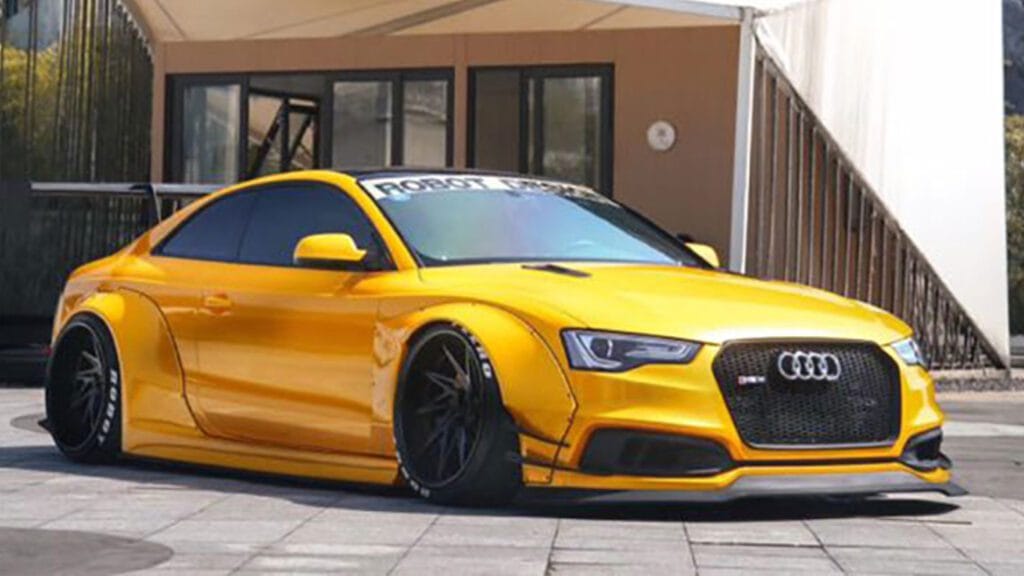
- Transparent or Colored Options: Provides both protection and style.
👉 In short, TPU wraps act like an invisible armor for your car, keeping it scratch-free and stylish.
2. How Does Self-Healing Work?
The top layer of TPU films is engineered with an elastomeric polymer coating. This allows the surface to rearrange its molecular structure when exposed to heat.
Self-Healing Process:
- Light scratch appears (from keys, brushes, or washing).
- Heat from the sun or warm water activates the polymer layer.
- The molecules shift, filling in the scratched area.
- Surface returns to a smooth, glossy, or matte finish.
⚡ Within minutes to hours, light scratches virtually disappear without any extra effort.
3. TPU vs PVC Wraps: Scratch Resistance Comparison
| Feature | PVC Car Wraps | TPU Self-Healing Wraps |
|---|---|---|
| Scratch Resistance | Low – scratches remain | High – light scratches disappear |
| Durability | 2–3 years | 5–10 years |
| Flexibility | Prone to cracks | Elastic, resists cracking |
| Paint Protection | Basic coverage | Advanced defense against chips |
| UV & Heat Resistance | Weak | Strong with stabilizers |
👉 TPU clearly outperforms PVC, especially for owners seeking long-term scratch protection.
4. Benefits of TPU Self-Healing Car Wraps
- Scratch-Free Finish
- Eliminates swirl marks and micro-scratches.
- Preserves Original Paint
- Acts as a sacrificial layer against chips and debris.
- Long-Term Cost Savings
- Reduces need for frequent repainting or wrap replacement.
- Improves Resale Value
- Well-maintained paint increases buyer confidence.
- Stylish Options
- Available in gloss, matte, satin, metallic, and color finishes.
5. Where Self-Healing TPU Wraps Work Best
- Luxury Cars: Keep premium paintwork flawless.
- Daily Commuters: Resist scratches from crowded parking and routine washes.
- Sports Cars: Protect against road debris at high speeds.
- SUVs & Off-Road Vehicles: Guard against scratches from rough terrain.
- Commercial Fleets: Maintain brand image with minimal wear.
6. Installation Advantages with Premium TPU Wraps (e.g., CARLAS)
Brands like CARLAS offer TPU self-healing wraps with:
- Dual Dry & Wet Application – faster installation with fewer bubbles.
- Superior Adhesion – edges stay firm without peeling.
- Advanced Coatings – UV resistance + anti-yellowing protection.
This ensures both flawless protection and efficient application.
7. Expert Tips: Maximizing Self-Healing Performance
Even though TPU wraps are advanced, proper care extends their lifespan:
- Wash regularly with pH-neutral shampoo.
- Avoid abrasive brushes that cause deep scratches.
- Apply heat (sunlight, warm water, heat gun) to trigger healing.
- Use ceramic coating for an extra hydrophobic layer.
- Inspect frequently and clean off bird droppings or sap quickly.
8. FAQs About Self-Healing TPU Wraps
Q1: Can TPU wraps heal deep scratches?
No, they heal light scratches and swirl marks. Deep cuts may require replacement.
Q2: How long does healing take?
Minor scratches often disappear within minutes under heat.
Q3: Do TPU wraps affect car paint?
No, they protect paint and can be safely removed without damage.
Q4: Are self-healing wraps expensive?
They cost more than PVC wraps, but the longer lifespan and protection make them cost-effective.
Q5: Do they work in cold climates?
Yes, but healing works best when exposed to warmth or direct heat.
Conclusion
Scratches, swirl marks, and daily wear are inevitable—but TPU self-healing car wraps provide a powerful solution. Unlike PVC or traditional wraps, TPU films feature heat-activated polymers that repair themselves, keeping cars looking fresh and polished for years.
For car owners who want the perfect balance of style and protection, TPU self-healing wraps are the future of paint protection. With innovations from brands like CARLAS, drivers can now enjoy flawless finishes, superior durability, and peace of mind on every journey.