

Discover how TPU self-healing car wraps protect your vehicle against scratches, UV damage, and daily wear. Learn why TPU technology outperforms PVC wraps and paint protection methods in durability and style.
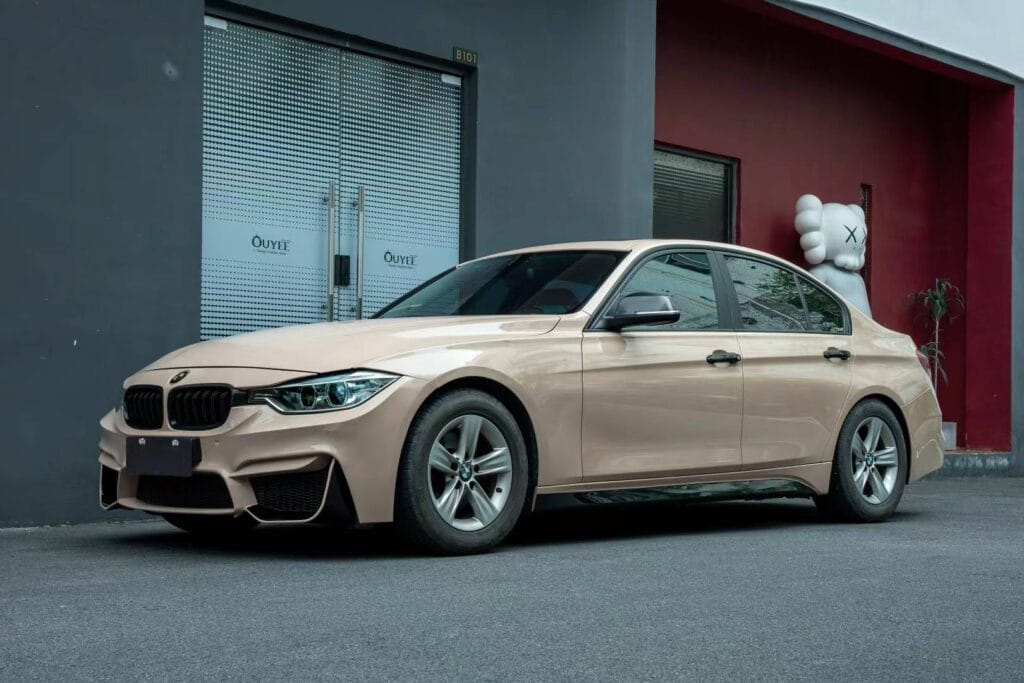
Introduction
Every car owner knows the frustration of seeing fresh scratches on their vehicle—whether caused by road debris, careless parking, or daily wear. While traditional paint protection methods like waxing and PVC vinyl wraps provide some defense, they often fall short in the long run.
That’s where TPU (Thermoplastic Polyurethane) self-healing car wraps come in. This advanced technology not only protects your paint from scratches but also has the ability to repair itself automatically, keeping your car looking flawless for years.
In this guide, we’ll explore how TPU self-healing wraps work, why they outperform other solutions, and how you can maximize their scratch protection benefits.
1. What Are TPU Self-Healing Car Wraps?
TPU self-healing wraps are a type of Paint Protection Film (PPF) that combines color styling with advanced elastomer properties. Unlike PVC vinyl, TPU has:
- Elastic recovery: It can stretch and return to its original shape.
- Heat activation: Minor scratches disappear under heat or sunlight.
- Durability: TPU wraps last 5–10 years, compared to PVC’s 2–3 years.
- Enhanced aesthetics: Available in gloss, matte, satin, and textured finishes.
👉 This makes TPU the premium solution for car owners who want both protection and style.
2. The Science Behind Self-Healing Technology
TPU’s polyurethane molecular structure gives it elastic memory. When a scratch occurs, the material absorbs the impact, and once heat is applied, it reflows and repairs the damaged surface.
Two Types of Self-Healing TPU Wraps
- Heat-Activated Self-Healing
- Scratches vanish when exposed to sunlight or hot water.
- Ideal for sunny climates.
- Instant Self-Healing
- Scratches disappear immediately at room temperature.
- More advanced, premium-grade TPU.
3. How TPU Wraps Protect Against Scratches
a. Daily Wear & Tear
- Protects against keys, fingernails, and shopping carts.
- Keeps high-touch areas like door handles and trunks scratch-free.
b. Road Debris & Gravel
- Absorbs small impacts from stones, sand, and dirt.
- Prevents chips and scratches on bumpers and hoods.
c. Automated Car Washes
- Brushes and rollers often leave micro-scratches on paint.
- TPU self-heals, ensuring the surface stays smooth.
d. Environmental Hazards
- Prevents damage from branches, ice scrapers, and bug splatter.
👉 Instead of building up scratches over time, TPU wraps restore themselves continuously.
4. TPU vs PVC vs Traditional Paint Protection
| Feature | TPU Self-Healing Wraps | PVC Wraps | Traditional Paint |
|---|---|---|---|
| Scratch Resistance | Excellent (self-healing) | Poor | Moderate (needs waxing) |
| UV Resistance | High | Low (fades quickly) | Moderate |
| Durability | 5–10 years | 2–3 years | Permanent but prone to damage |
| Flexibility | High (extreme temps) | Low | N/A |
| Cost-Effectiveness | High long-term | Low short-term | Expensive repainting |
👉 Conclusion: TPU is the clear winner for anyone who wants long-term scratch resistance and easy maintenance.
5. How to Maximize Scratch Protection with TPU Wraps
- Professional Installation
- Proper installation prevents weak spots that may peel or bubble.
- Brands like CARLAS TPU Color Wraps offer dual dry & wet methods for faster, smoother installs.
- Regular Cleaning
- Wash every 1–2 weeks with pH-neutral car shampoo.
- Avoid abrasive brushes or harsh chemicals.
- UV & Heat Exposure
- Natural sunlight activates self-healing properties.
- Warm water can also be used for quick scratch removal.
- Ceramic Coating
- Adds an extra hydrophobic layer for easier cleaning.
- Enhances scratch and stain resistance.
6. Real-World Scenarios Where TPU Wraps Shine
- Urban Parking: Protects against accidental bumps and scratches from tight spaces.
- Highway Driving: Shields paint from rocks, debris, and bug splatter at high speeds.
- Cold Winters: Resists scratches from ice scrapers and snow removal.
- Luxury Cars: Keeps exotic and premium vehicles in pristine condition.
👉 For owners who care about resale value, TPU wraps ensure your paint stays as fresh as day one.
7. Expert Insights: Why TPU Is Worth It
- Scratch-free appearance: Cars wrapped in TPU maintain a “like new” look for years.
- Lower maintenance costs: No need for constant polishing or repainting.
- Long-term savings: TPU prevents damage that would otherwise require costly repairs.
- Stylish protection: Combines both color customization and paint protection.
8. FAQs About TPU Self-Healing Wraps
Q1: Do all TPU wraps self-heal?
No. Only high-quality TPU wraps with heat-activated or instant self-healing properties offer this benefit.
Q2: Can TPU repair deep scratches?
No. Self-healing works for surface-level scratches only. Deep gouges require replacement.
Q3: Does sunlight damage TPU wraps?
No. In fact, sunlight helps trigger the self-healing process. TPU also has UV-resistant coatings.
Q4: Are TPU wraps more expensive than PVC?
Yes, but they last 2–3 times longer, making them more cost-effective long-term.
Q5: Can I install TPU wraps myself?
DIY is possible, but for maximum protection and durability, professional installation is recommended.
Conclusion
Scratches are an unavoidable part of driving—but with TPU self-healing wraps, they no longer have to ruin your car’s appearance.
Unlike PVC wraps or traditional paint protection, TPU not only shields against scratches but also repairs itself automatically, ensuring your car stays looking brand new for years.
For drivers who value style, durability, and long-term savings, TPU is the ultimate choice. With leading brands like CARLAS TPU Self-Healing Color Wraps, which combine anti-yellowing, scratch resistance, and dual installation methods, the future of automotive protection has arrived.