

Curious if a car wrap damages your factory paint? Discover the truth about wraps, their effects on original paint, and how to protect your car while customizing its style.
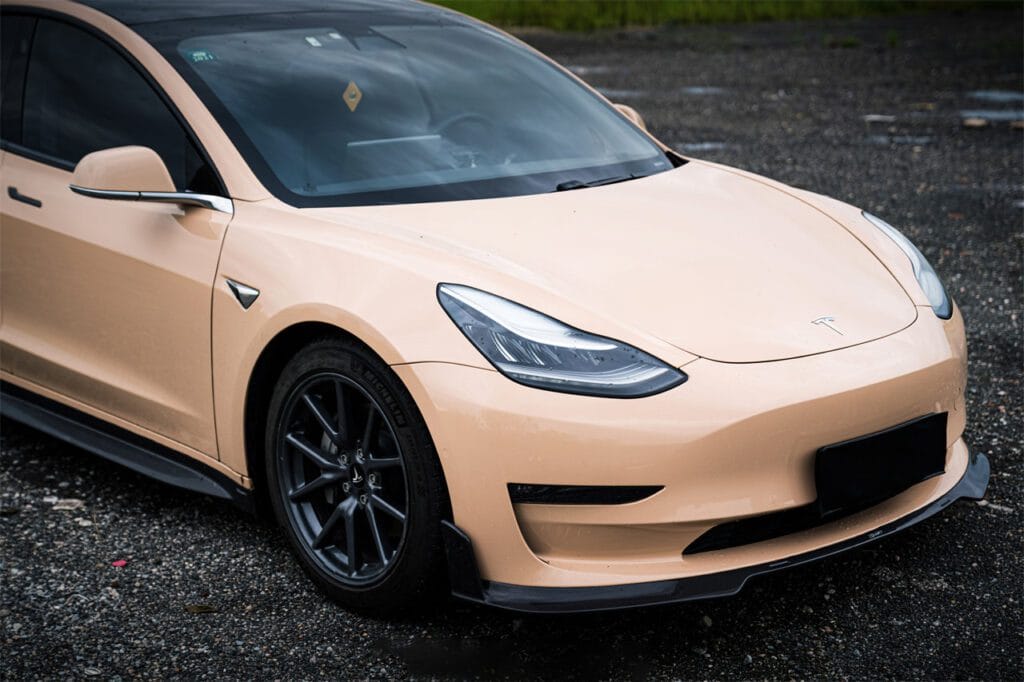
Introduction: The Big Question Every Car Owner Asks
Car wraps have become a popular choice for car enthusiasts and businesses alike. They allow drivers to completely change the look of their vehicle—whether with bold colors, unique finishes, or custom graphics—without committing to a permanent paint job. But there’s one question that lingers in almost every car owner’s mind before getting a wrap:
Does a car wrap damage factory paint?
The short answer: No, when applied and removed correctly, car wraps do not damage factory paint. In fact, they can actually protect your original paint from UV rays, scratches, and minor abrasions. However, there are exceptions that depend on the quality of the paint, the wrap material, and the installation process.
This guide dives deep into the truth behind wraps and paint protection, clearing up misconceptions and helping you make the best decision for your car.
Understanding How Car Wraps Work
A car wrap is a thin layer of vinyl or TPU (thermoplastic polyurethane) film that is carefully applied over the car’s painted surfaces. The adhesive bonds to the surface but can be removed later without leaving permanent marks if done correctly.
Wraps come in different types:
- Gloss, Matte, Satin, and Chrome Finishes for style upgrades.
- Color PPF (Paint Protection Film) for combined style and paint protection.
- Commercial Wraps for advertising fleets and branding.
By design, wraps are non-invasive, meaning they do not chemically alter the factory paint—they simply act as a removable second skin.
When Car Wraps Protect Paint
1. UV Protection
High-quality wraps block harmful UV rays that can cause fading and oxidation. Your paint stays brighter and newer for longer.
2. Scratch & Chip Resistance
Wraps provide a sacrificial layer against light scratches, swirl marks, and small rock chips. Instead of your paint taking the damage, the wrap absorbs the impact.
3. Chemical Shield
Bird droppings, acid rain, and road salts can corrode unprotected paint. A wrap prevents these contaminants from directly touching your factory finish.
4. Resale Value Protection
Because wraps are removable, they let you preserve factory paint in pristine condition—making resale easier and often more profitable.
When Car Wraps Might Damage Paint
While wraps are safe for most vehicles, there are specific cases where they may cause issues:
1. Poor-Quality Paint Jobs
If your car’s paint has been poorly resprayed or is already peeling, a wrap may lift weak paint during removal.
2. Low-Quality Wrap Materials
Cheap PVC wraps with aggressive adhesives may leave residue or pull up fragile paint. Choosing premium TPU or cast vinyl eliminates this risk.
3. Improper Installation
If installed incorrectly, air bubbles, cuts, or stretching can harm paint. Always rely on professional installers for flawless application.
4. Rough Removal
Peeling a wrap too quickly, especially in cold weather, can increase the risk of paint lifting. Professional heat-assisted removal prevents this.
How Long Can a Wrap Stay on Without Harming Paint?
A high-quality car wrap typically lasts 5–7 years. If maintained properly, the adhesive remains stable and can be safely removed even after years of use. However, leaving a wrap on far beyond its lifespan increases the risk of adhesive bonding too strongly, which may affect paint during removal.
Car Wraps vs. Paint Protection Film (PPF)
Some car owners confuse wraps with PPF, but there are differences:
| Feature | Car Wrap | PPF (Paint Protection Film) |
| Purpose | Style & temporary color change | Protection from scratches & chips |
| Thickness | 2–4 mil | 6–8 mil |
| Lifespan | 5–7 years | 7–10 years |
| Effect on Paint | Safe, removable | Safe, protective, self-healing |
👉 For ultimate protection, color PPF combines the benefits of both—style + paint safety.
Best Practices to Keep Paint Safe Under a Wrap
- Start with a Clean, Healthy Surface
- Factory paint in good condition is ideal for wraps.
- Choose Premium Materials
- TPU and cast vinyl are designed for long-term adhesion and safe removal.
- Go With Professional Installation
- DIY may save money, but it risks paint damage.
- Follow Maintenance Guidelines
- Hand wash, avoid harsh chemicals, and protect against UV.
- Remove Wraps Within Lifespan
- Don’t wait until the film deteriorates before removing or replacing.
FAQs: Car Wraps & Factory Paint
1. Will a car wrap void my factory paint warranty?
- No, wraps are removable and do not void warranties if paint is in good condition.
2. Can wraps damage aftermarket paint?
- Yes, poorly done repaints may peel when a wrap is removed.
3. Does removing a wrap leave residue?
- High-quality wraps leave minimal to no adhesive residue when removed properly.
4. Is wrapping better than repainting for customization?
- Yes, wraps are cheaper, reversible, and paint-safe compared to permanent resprays.
5. Can I apply PPF on top of a wrap?
- Yes, for extra durability, some owners layer clear PPF over wraps.
Conclusion: The Truth Revealed
So, does a car wrap damage factory paint?
✅ No—when installed and removed correctly, wraps protect rather than damage paint.
They act as a shield against UV rays, scratches, and contaminants while giving you the flexibility to change your car’s look whenever you want.
The only risk comes from low-quality materials, improper installation, or poor paint conditions. By choosing a reputable brand like CARLAS premium TPU color wraps and professional installers, you ensure your paint stays flawless under the wrap.
👉 In the end, wrapping your car isn’t just about style—it’s about protecting your investment while enjoying the freedom of customization.