

How long does a car wrap really last? Learn the truth about car wrap lifespan, the factors that impact durability, and expert tips to extend your wrap’s life.
What Is a Car Wrap?
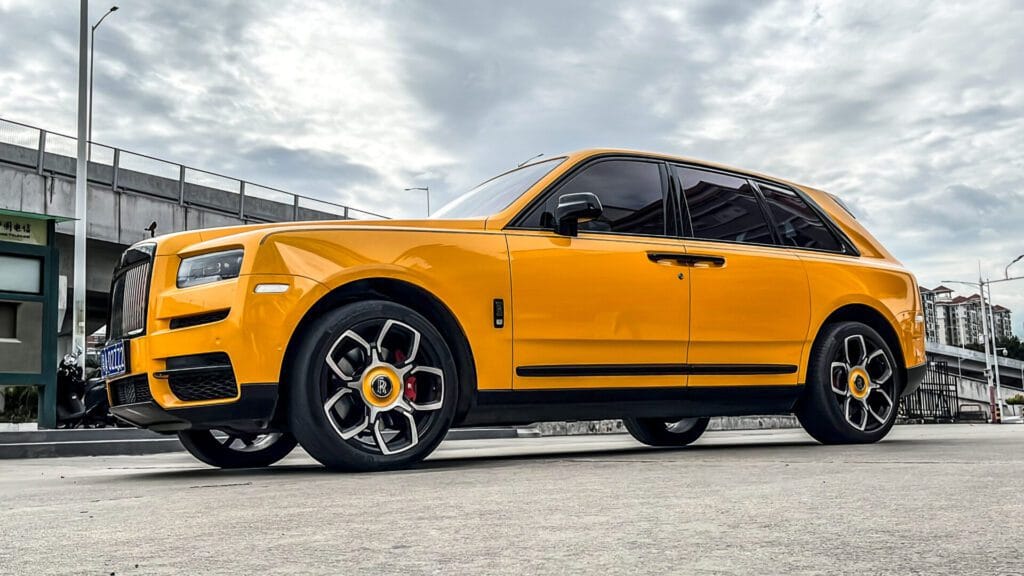
A car wrap is a flexible vinyl film applied to the exterior of a vehicle, designed to either protect the paint, change its color, or display graphics (often for commercial use). It’s a non-permanent alternative to paint and comes in various finishes like gloss, matte, satin, metallic, and textured patterns.
Besides style and branding, wraps are valued for their ability to shield the car’s original paint from UV rays, road debris, and surface contaminants.
Average Lifespan of a Car Wrap
Under normal driving and environmental conditions, a high-quality car wrap can last between 5 to 7 years. However, this number isn’t universal—it fluctuates based on multiple factors such as location, usage, and maintenance.
Commercial vs. Personal Use Wraps
- Commercial wraps (like fleet or advertising graphics): Often replaced every 2–3 years due to brand updates or high daily mileage.
- Personal aesthetic wraps: Usually preserved better, lasting the full 5–7 year range when maintained correctly.
Key Factors That Affect Wrap Longevity
UV Exposure and Weather Conditions
Constant exposure to the sun can cause premature fading and adhesive breakdown. Similarly, extreme weather—like snow, hail, or heavy rain—can degrade the film if protective measures aren’t taken.
Quality of the Vinyl Material
- Cast vinyl: Thinner, more durable, conforms well to curves, and lasts longer (5–7 years).
- Calendared vinyl: Thicker, less flexible, and better for short-term use (1–3 years).
Top-tier brands like 3M, Avery Dennison, and CARLAS produce premium vinyl that naturally outlasts budget options.
Surface Preparation Before Installation
Even the best wrap won’t last if it’s applied to a dirty or damaged surface. Proper cleaning, degreasing, and even minor paint correction before wrapping ensures the adhesive sticks properly.
Installation Expertise
A poor wrap job can lead to bubbles, lifting edges, and premature peeling. Certified installers use the right tools, temperatures, and techniques to ensure longevity.
Driving Habits and Mileage
Aggressive driving or long hours on the highway expose wraps to more flying debris and environmental wear.
Vehicle Storage (Garage vs. Outdoors)
Vehicles parked in covered garages or under carports tend to have wraps that last longer than those left in constant sunlight or harsh outdoor conditions.
How Different Finishes Affect Lifespan
| Finish Type | Typical Lifespan |
| Gloss | 5–7 years |
| Matte | 3–5 years |
| Satin | 4–6 years |
| Metallic | 3–5 years |
| Chrome | 2–3 years |
| Specialty Textured | 3–5 years |
Gloss and satin finishes tend to be the most durable, while chrome wraps, though flashy, degrade faster due to their reflective layers and application complexity.
Signs Your Car Wrap Is Wearing Out
- Color fading or yellowing
- Peeling at the edges or seams
- Cracks or splits in high-stress areas
- Sticky residue or bubbling underneath
- Dullness or loss of surface texture
When you see these signs, it’s time to either rewrap the vehicle or remove the existing film safely.
Tips to Extend the Life of Your Car Wrap
Regular Cleaning and Wrap-Safe Products
Clean your wrapped vehicle every 2–3 weeks using:
- pH-neutral car wrap shampoos
- Soft microfiber cloths
- Low-pressure water
Avoid drive-thru car washes that use brushes.
Avoiding Harsh Chemicals and Pressure Washers
Solvents, bleach, and abrasive pads can eat away at vinyl. If using a pressure washer, keep the nozzle at least 12 inches away and below 2000 psi.
Applying Ceramic Coating or Sealants
Wrap-safe ceramic coatings add a protective shield that:
- Repels water and dirt
- Blocks UV rays
- Reduces micro-scratches
Apply every 6–12 months for optimal effect.
Parking in Shade or Using Covers
Simple choices like parking in a garage, using a UV-protective cover, or applying window tint can significantly increase a wrap’s lifespan.
When to Remove or Replace a Wrap
If your wrap is over 5 years old, showing visible damage, or you’re ready for a fresh new look—it’s time to remove or replace it. Removal should always be done by professionals to avoid paint damage.
FAQs About Car Wrap Longevity
Q1: Can a car wrap last 10 years?
Highly unlikely. Even premium wraps start degrading after 7 years.
Q2: Will waxing my wrap make it last longer?
Only gloss wraps can be waxed. Matte and satin should not be waxed; use approved sealants instead.
Q3: Is it cheaper to rewrap or repaint?
Rewrapping is usually cheaper and reversible, making it ideal for short-term or color flexibility.
Q4: Do wraps protect against scratches?
Yes—wraps protect against minor abrasions but are not bulletproof against sharp or heavy impacts.
Q5: What’s the main reason wraps fail early?
Poor installation and lack of maintenance are the top two culprits.
Q6: Can wraps be repaired instead of replaced?
In some cases, yes—localized damage can be patched, but color matching is tricky.
Conclusion
So, how long does a car wrap really last? With quality materials, proper installation, and regular care, you can expect up to 5–7 years of vibrant color, surface protection, and head-turning style. Maximize your investment by treating your wrap like an extension of your paint—and it will reward you with years of performance.