

When you drive a car off the lot, its shine is more than just stunning—it’s symbolic. It reflects pride, status, and care. But over time, that glossy brilliance is under constant attack from the sun, weather, and pollution. The culprit? Paint yellowing, fading, and oxidation.
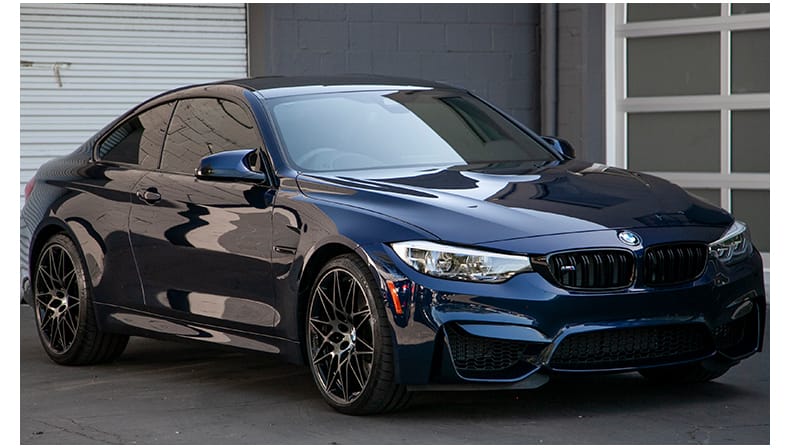
Enter anti-yellowing Paint Protection Film (PPF)—a breakthrough in car care science that doesn’t just preserve your paint, but keeps your car looking showroom-new for years. In this guide, we’ll explore how PPF works, why it’s surging in popularity, and how it can protect your car’s value, beauty, and finish.
Introduction: The Silent Enemy of Your Car’s Shine
Imagine buying a sleek black or pearly white car, only to see its paint start to fade or yellow by the next summer. Unfortunately, this is a common reality for car owners in harsh climates or urban environments.
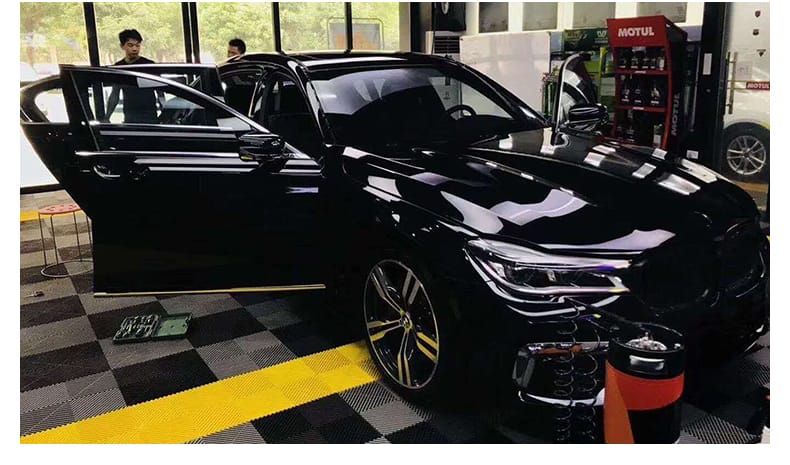
The culprit? UV rays, acid rain, oxidation, and grime. Fortunately, anti-yellowing PPF, like the advanced films from Carlas, offers a smart solution.
What Is Anti-Yellowing PPF and Why It Matters
UV-Resistant Technology Explained
Anti-yellowing PPF is a transparent, multi-layered film applied to a vehicle’s surface to prevent color degradation. High-end films like those from Carlas are engineered with UV inhibitors, which absorb and deflect sunlight—keeping your car’s original color intact.
The Science Behind Paint Oxidation and Yellowing
Your car’s paint consists of several layers, including a clear coat. Over time, UV exposure breaks down this top layer, leading to:
- Faded or dull color
- Yellowing of light-colored vehicles
- Increased brittleness and chipping
Anti-yellowing PPF acts like sunscreen for your paint, shielding it from harmful rays and slowing the aging process.
Why the Demand for PPF Is Growing Rapidly
Extreme Weather and Climate Factors
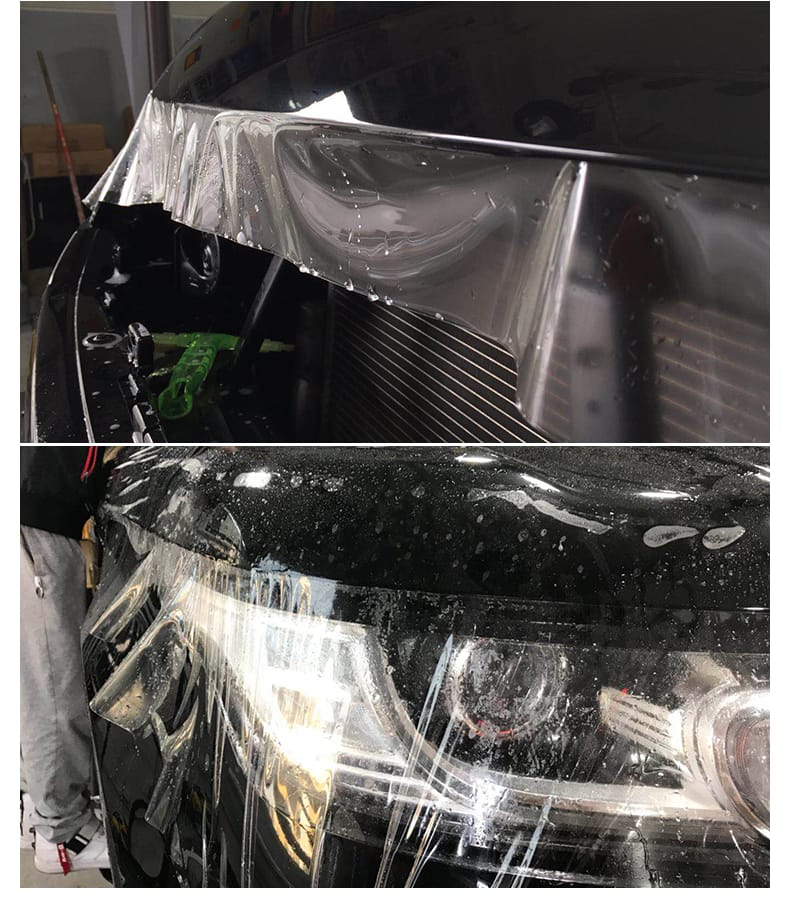
From scorching sun in Arizona to acid rain in New York, traditional waxes and sealants simply don’t cut it anymore. PPF offers 99% UV protection, remaining intact even in harsh environments.
Resale Value Preservation
Dealers know the value of appearance. Cars protected with PPF tend to retain 10–15% more resale value, making them more appealing in the used car market. No scratches, no chips, no discoloration = better price.
The Rise of Luxury Car Protection Culture
Luxury car owners are investing heavily in PPF to avoid costly repaints and keep their glossy finishes flawless. Even mid-range car buyers are now catching on, seeing PPF as a necessity, not a luxury.
How Anti-Yellowing PPF Protects Your Investment
UV Defense: Blocking the Unseen Threat
PPF with UV inhibitors stops the invisible degradation caused by the sun. White, silver, and clear coats, which are more prone to yellowing, benefit immensely.
Defense Against Bird Droppings, Tree Sap, and Acid Rain
PPF’s urethane top layer forms a barrier that resists etching from common contaminants. The film doesn’t just sit on your car—it actively protects it.
Self-Healing Top Coat Technology
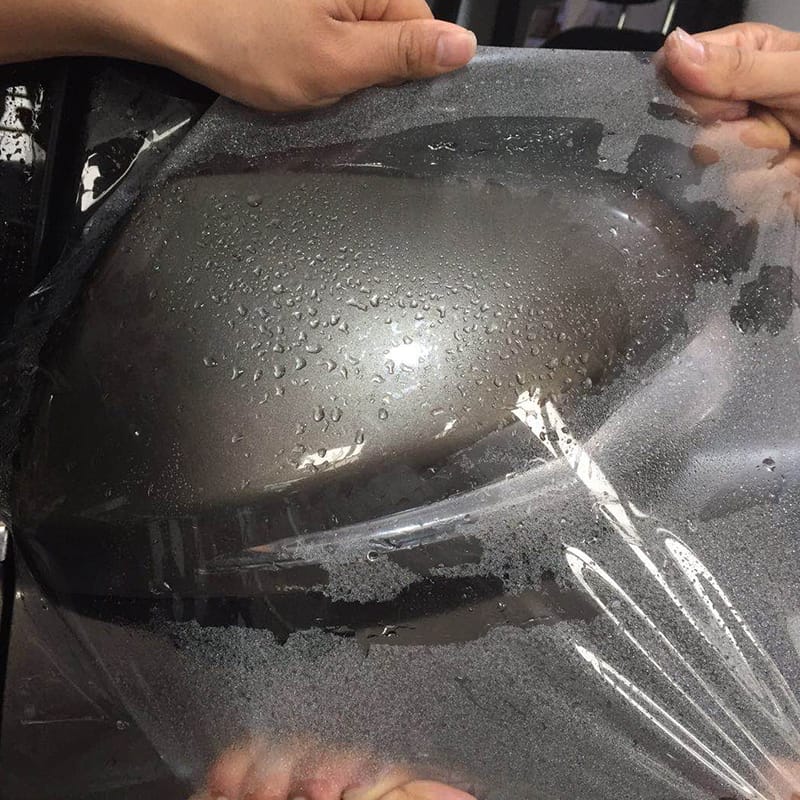
Scratches? Minor scuffs? Heat activates self-healing properties, making marks disappear. No more worrying about automatic car washes or light abrasions.
Long-Term Value: PPF vs. Costly Repainting
Innovations in Modern PPF: What Sets It Apart
Hydrophobic Properties for Easy Cleaning
Modern PPFs like Carlas come with hydrophobic layers. Water, mud, and grime simply slide off, making your car easier to clean and less prone to stains.
Stabilized Polymers for Long-Term Clarity
Today’s PPF uses polymers that resist yellowing and oxidation better than ever. Even after years of sun exposure, your paint stays vibrant.
Thicker Film Options for Extra Protection
Carlas offers thicker mil options, ideal for off-road vehicles or cars in debris-heavy areas. Extra layers = extra protection.
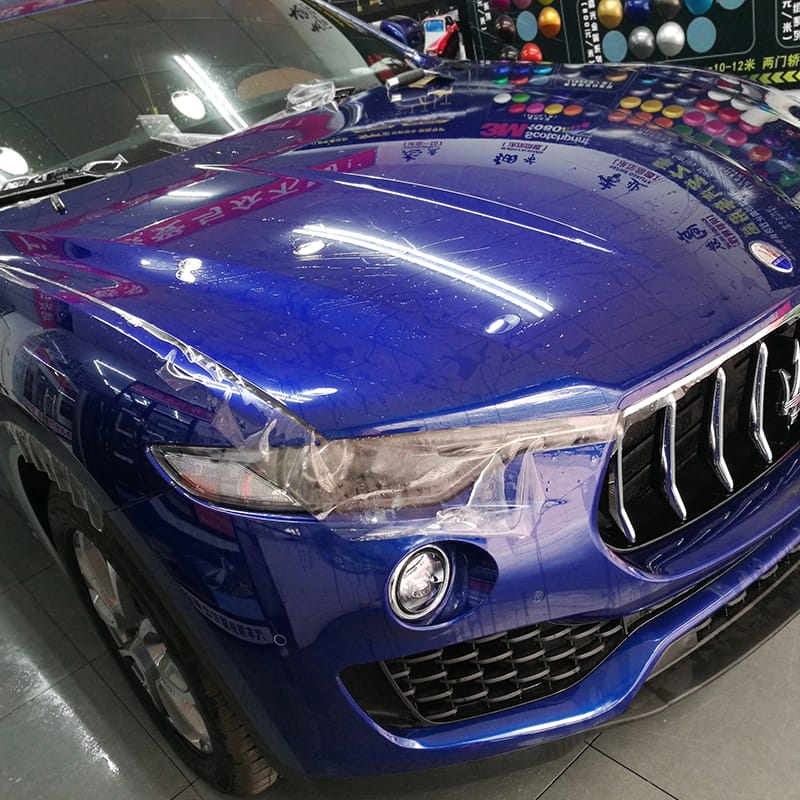
More Than Just Protection: Additional Benefits of PPF
While the core function of PPF is to protect, today’s advanced films go further by enhancing your car’s visual appeal and reducing maintenance demands.
Invisible Style Enhancement
PPF can be applied without altering your vehicle’s original paint color, preserving its factory look. For those who want more flair, Carlas offers gloss and matte finishes, allowing you to customize your vehicle subtly or boldly—without committing to a full respray.
Low Maintenance, High Impact
PPF-treated vehicles require far less upkeep than those without protection. No need for frequent waxing or expensive detailing. A quick rinse is usually enough to maintain a clean, polished appearance.
Eco-Conscious Choice for Sustainable Car Care
By reducing the need for harsh cleaning chemicals and preventing premature paint degradation, PPF aligns with sustainability goals. Less repainting = fewer VOCs released, and fewer materials wasted.
How to Choose the Best Anti-Yellowing PPF for Your Car
With a growing number of PPF options on the market, here’s how to identify a high-quality, anti-yellowing film:
Why TPU-Based Films Are Superior
Thermoplastic polyurethane (TPU) is the gold standard in PPF. It offers superior:
- Flexibility
- UV resistance
- Impact protection
- Self-healing capabilities
Avoid cheaper PVC alternatives, which tend to yellow faster and provide inferior protection.
The Importance of Professional Installation
Even the best film can fail without expert application. Poor installation leads to bubbles, misaligned panels, or peeling. Certified technicians ensure:
- Seamless edges
- Bubble-free surfaces
- Maximum durability
Carlas-certified professionals follow strict protocols to give your vehicle a flawless finish.
FAQs About Anti-Yellowing Paint Protection Film
1. How long does anti-yellowing PPF last?
High-quality films like Carlas can last 7–10 years with proper maintenance.
2. Can PPF be removed without damage?
Yes. When removed professionally, PPF leaves no residue and does not harm the underlying paint.
3. Does PPF affect the car’s appearance?
No. PPF is virtually invisible. You can also choose finishes (gloss or matte) to complement your vehicle’s look.
4. Is PPF safe for all car colors?
Absolutely. In fact, light-colored vehicles (white, silver, pearl) benefit the most, as they are more prone to yellowing.
5. Does PPF work on non-glossy finishes like matte paint?
Yes! Matte-specific PPFs are designed to preserve the flat, satin look while offering the same level of protection.
6. Can PPF be applied to partial areas like bumpers or mirrors?
Definitely. Many owners choose to protect high-impact zones such as hoods, bumpers, side skirts, and door edges.
Conclusion: Keep Your Car Looking New—Now and in the Future
Yellowing paint is no longer an inevitable fate. With anti-yellowing, UV-resistant paint protection film, you’re making a smart investment in your car’s future. Whether you’re protecting a luxury sedan, a daily driver, or an off-road SUV, PPF ensures your vehicle retains its shine, strength, and value.
If you’re ready to shield your vehicle from the elements, CARLAS offers world-class PPF solutions designed for longevity, clarity, and performance. With expert support and a range of premium finishes, your car is in good hands.
Say goodbye to yellowing—and hello to a new era of shine.
🔗 Contact CARLAS today to explore your options, request a sample, or schedule a free consultation.